





Food & Water

Custom Kits & Quotes

All Emergency Food & Water Supplies

About All Emergency Food & Water Supplies

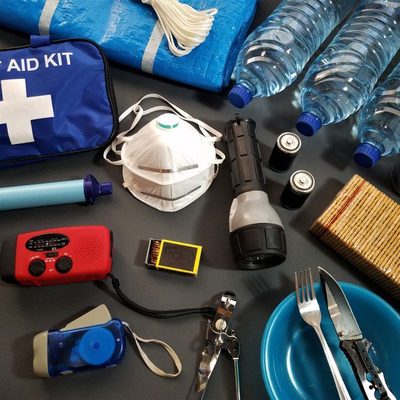
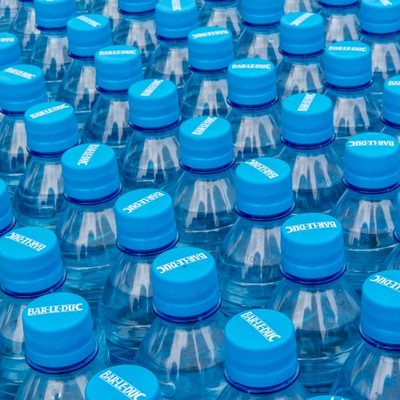
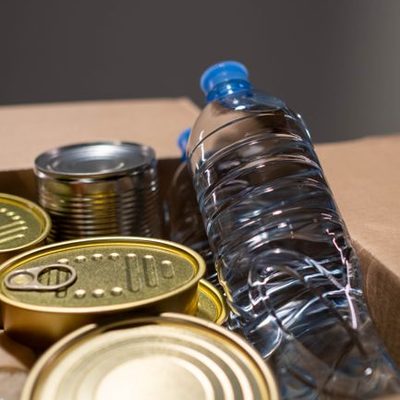
Stocking up on emergency food and water supplies in advance helps ensure you and your loved ones are prepared when disaster strikes. From convenient emergency food bars that provide quick nutrition during the first days of an emergency to long-term freeze-dried meals with shelf lives up to 25 years, having reliable food options on hand is essential. Don’t forget safe drinking water and purification solutions to support hydration when normal water sources may be unavailable. Emergency food and water supplies are easy to store, simple to use, and designed to help you stay nourished and prepared during unexpected situations.

Frequently Asked Questions

Not sure how much to stock or where to start? Find answers to the most common questions about emergency food and water — from 72-hour supplies and storage tips to freeze-dried food, MREs, and water safety — because when an emergency hits, what you have on hand is what you have to work with.

How much food and water do I need per person for 72 hours?

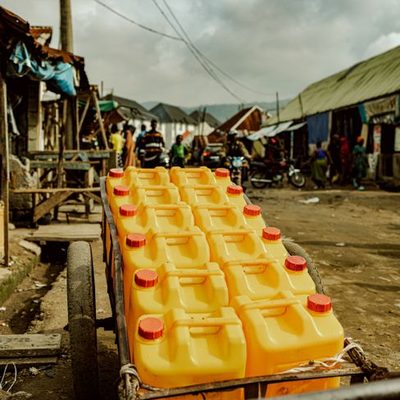
3 gallons of water per person (1 gallon per day) and 9 meals per person (3 per day) minimum. Pregnant women, children, and pets have different needs, so add reserves. For 14-day kits, scale to 14 gallons and 42 meals per person.

Do I buy food and water together or separately?

Yes to both approaches. Buying together saves time and guarantees matching shelf life. Buying separately lets you customize (e.g. specific dietary needs, larger water reserves).

What should I know about freeze-dried food vs MREs?

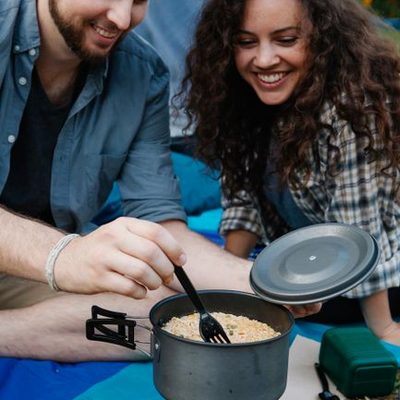
Freeze-dried food is lighter, has a longer shelf life (up to 25 years), and requires water to prepare. MREs (Meals Ready to Eat) are self-contained, require no water, and can be eaten cold — making them better suited for immediate deployment or when water is scarce. For long-term storage, freeze-dried is the practical choice; for grab-and-go readiness, MREs are hard to beat.

Is it safe to drink tap water during an emergency?

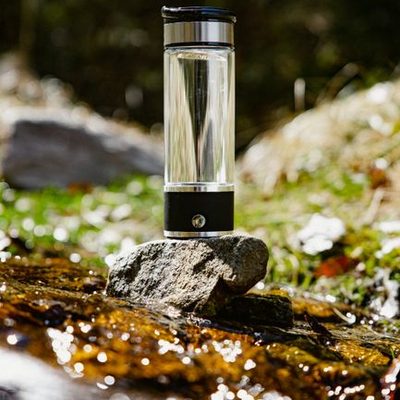
Not always. Emergencies like floods, earthquakes, or infrastructure failures can contaminate municipal water supplies. When in doubt, treat tap water by boiling, using purification tablets, or filtering before drinking. Always follow guidance from local authorities, and keep stored water on hand as a backup.

How do I rotate stored water?

Mark each container with the purchase date and replace it before the printed expiration date. Rotating older supplies first keeps your stock fresh. For less frequent rotation, consider longer shelf-life options like canned water, which can last up to 50 years — a practical choice for emergency storage that doesn't require constant monitoring.