
















Water Filters & Purifiers

Custom Kits & Quotes

Emergency Water Filters & Purifiers

About Emergency Water Filters & Purifiers

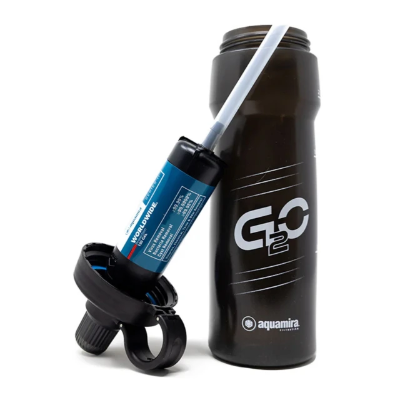
The water sources you normally count on may not be available or may be contaminated should disaster strike which is why it's important to be able to treat water from questionable sources. Water can be made safe to drink by using a chemical process to kill harmful bacteria and viruses or using a purification process which removes harmful bacteria and viruses from water sources. It may not be convenient to store large amounts of clean water so being able to treat dirty water is essential in survival situations.

Frequently Asked Questions

Find answers to the most common questions about water purification, from the difference between filters and purifiers and what contaminants each removes to lifespan and whether your water is truly ready to drink — because not all water sources are created equal, and neither are the tools that treat them.

How long does an emergency water filter last before it needs replacing?

Filter lifespan varies significantly by product — from a few hundred gallons to over 100,000 gallons depending on the brand and filter type. At 1 gallon per day, even a mid-range filter can last several years. Replace the filter when the flow rate drops and water becomes difficult to draw through

Do water filters remove viruses or just bacteria and parasites?

Most microfilters remove bacteria (down to 0.2 microns) and parasites, but not viruses. For virus removal, use a purifier with chemical treatment or UV. Check each filter's tested contaminant list on its product page.

Can I filter murky pond water, or does it need to be clear first?

Yes, you can filter murky water, but pre-filter it first through a cloth, coffee filter, or bandana to remove sediment before running it through your main filter. Sediment clogs filter membranes quickly; pre-filtering extends filter life dramatically.

Will a water filter remove chemical contamination like pesticides?

No, not with standard filters. Chemical contaminants, heavy metals, and pesticides require an activated carbon filtration or reverse osmosis. Standard membrane filters remove biological contaminants only.

What is the difference between a water filter and a water purifier?

A filter removes bacteria and parasites (down to 0.2 microns). A purifier adds virus removal through chemical treatment, UV light, or finer membrane. EPA defines a purifier as reducing all three: bacteria, protozoa, and viruses.

Do I need to boil water after filtering, or is it ready to drink?

For most situations involving bacteria and parasites, a quality filter is sufficient and water is ready to drink. However, if you are in an area with known virus risk — such as international travel or severe flood conditions — boiling, UV treatment, or chemical tablets are recommended as a secondary step, since standard membrane filters do not remove viruses.

Can I use these water filters on salt water or ocean water?

No. Standard filters and purifiers do not desalinate. Salt water requires a specialized desalinator (typically reverse osmosis hand pumps) or a solar still. Drinking salt water dehydrates you faster than going without.