







Drinking Water

Custom Kits & Quotes

Emergency Drinking Water

About Emergency Drinking Water

Having drinking water available in times of emergency is essential to you and your family's survival. Existing water sources may not be available should disaster strike so make sure to have plenty of drinking water stored in a safe accessible location. The Red Coss recommends: storing at least 1 gallon of water per person per day; storing a minimum of a 3 day supply; store and drink twice as much water in warmer climates, and don't forget water for your pets.

Frequently Asked Questions

What is the shelf life on pre-packaged emergency water pouches?

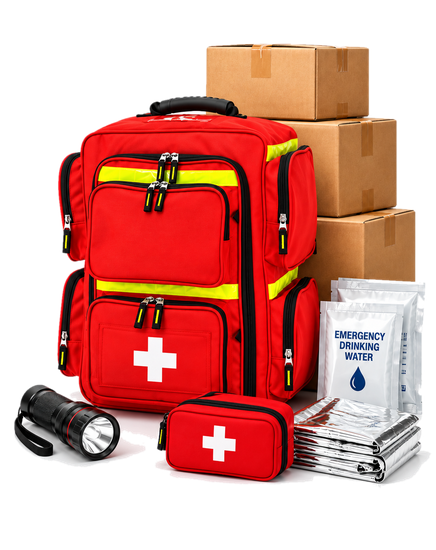
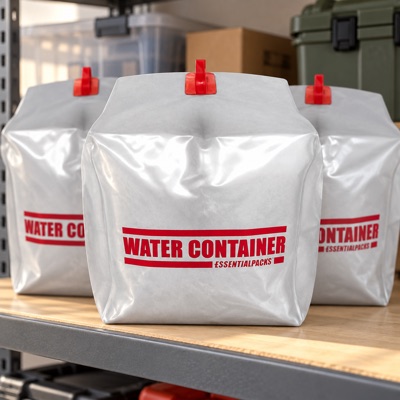
5 years for Mylar-sealed emergency water pouches (SOS Food Lab, Mayday, Aqua Blox). Pouches are sterilized and sealed in conditions that prevent bacterial growth, giving them a dramatically longer shelf life than bottled water.

Do water pouches leak or rupture if moved around?

No, emergency water pouches are designed to withstand rough handling. They use foil-laminate pouches rated for multi-year storage and transportation without leakage. Damaged pouches should be used immediately and replaced.

Is pre-packaged emergency water safe for infants and babies?

Yes. Emergency water pouches are sterilized and contain only water — no additives or preservatives are included. For babies to 3 months old, doctors recommend boiling even sterilized water briefly as an extra safety measure when possible.

How much emergency water do I actually need per person per day?

1 gallon per person per day is the FEMA minimum: 1/2 gallon for drinking and 1/2 gallon for sanitation, cooking, and hygiene. Hot climates, pregnant women, and children may need more.

Will emergency water freeze or go bad in extreme temperatures?

Yes, water freezes below 32 degrees F and can burst some containers. Mylar pouches are more freeze-resistant than rigid bottles but can still rupture in deep freezes. Store water above 40 degrees F; avoid storing in unheated garages in cold climates.

Can I recycle the packaging from emergency water pouches?

No, not in most municipal streams. Emergency water pouches are typically foil-laminate (aluminum plus plastic) which is not recyclable locally. Some specialty recyclers accept foil pouches. Disposal is the standard route in most jurisdictions.

What does Coast Guard approved emergency water mean?

U.S. Coast Guard approval certifies that the water meets strict purity, shelf life, and packaging durability standards for use in lifeboats and life rafts. Approved water carries SOLAS (Safety of Life at Sea) compliance.