Hurricane Preparedness Checklist
Hurricanes are among the most predictable natural disasters — forecasters can often track a storm's path days in advance — which means preparation, more than luck, determines how well a household weathers one. Whether you live along the coast or further inland in a hurricane's potential path, understanding how these storms work and what to do before, during, and after a hurricane can make all the difference.
Keep reading to learn how to prepare for a hurricane, including tips and a full preparedness checklist to help you get ready before the season arrives.
What Is a Hurricane, and How Does It Form?
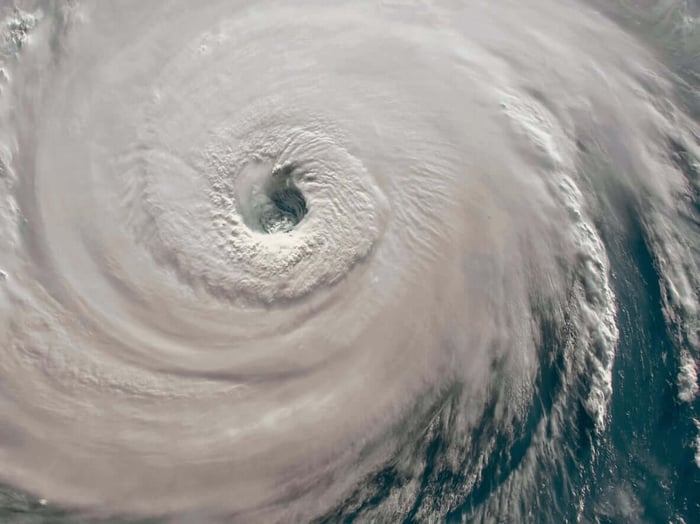
A hurricane is a powerful rotating storm system that forms over warm ocean water, fueled by heat and moisture rising from the sea surface. As warm, humid air rises, it creates an area of lower pressure below, drawing in surrounding air that also warms and rises, forming a continuous cycle. Combined with the Earth's rotation, this cycle organizes into a spinning system of thunderstorms. Once sustained winds reach 74 mph, the storm is officially classified as a hurricane. (The same storm type is called a typhoon or cyclone in other parts of the world, depending on where it forms, but regardless of the name, the storm preparation stays the same.)
Hurricanes typically need ocean water of at least 80°F to develop and sustain themselves, which is why they form in tropical and subtropical regions and tend to weaken once they move over land or cooler water, losing the warm moisture that powers them.
In the U.S., hurricanes most commonly form in the Atlantic Ocean, Caribbean Sea, and Gulf of Mexico, making the Gulf Coast and Atlantic Seaboard — from Texas up through the Carolinas and beyond — the areas most frequently affected. Florida, in particular, is vulnerable to storms from both the Atlantic and the Gulf. On the West Coast, Pacific hurricanes form off the coast of Mexico and Central America; they occasionally affect Mexico's west coast and, less often, the southwestern U.S., since cooler Pacific waters further north tend to weaken storms before they reach the U.S. mainland.
What Makes a Hurricane Dangerous
Hurricanes are classified on the Saffir-Simpson scale, from Category 1 to Category 5, based on sustained wind speed. It's a common misconception that only the strongest storms pose a real threat, but all hurricanes, Category 1 and above, are dangerous. A Category 1 storm brings winds of 74 to 95 mph, enough to damage roofs, snap tree limbs, and knock out power for days. Category 3 through 5 storms are classified as "major" hurricanes and can bring catastrophic, widespread destruction.
Wind isn't even the biggest threat in most storms. Storm surge, the abnormal rise of seawater pushed ashore by hurricane winds, is the deadliest hurricane hazard and the leading cause of hurricane-related fatalities, even in weaker storms. Surge can push water 10 to 20 feet above normal tide levels, flooding areas well inland of the coastline. The National Hurricane Center publishes storm surge maps by zone, and knowing your zone ahead of time is one of the most important things you can do.
Hurricane Season
Atlantic hurricane season runs from June 1 through November 30, with activity typically peaking from mid-August through October. Along the Pacific coast, hurricane season runs slightly earlier, from May 15 through November 30. Storms can and occasionally do form outside these windows, but the vast majority develop during peak season, making early summer the ideal time to review and refresh your preparedness plan.
Preparing Before Storm Season
Hurricane preparation works best when it starts well before a storm is on the radar, not in the scramble of a 48-hour warning window. Use this checklist to get ahead of the season:
- Know your hurricane evacuation zone. Local and state authorities assign evacuation zones based on flood and surge risk. Knowing yours ahead of time means you won't be scrambling to figure it out once an order is issued.
- Build a family communication plan. Decide in advance how household members will reach each other and where you'll regroup if you're separated or unable to return home.
- Stock water, food, and emergency supplies. Store at least 1 gallon of water per person per day, for a minimum of 3 days. For coastal areas along the Gulf and Atlantic, where utility restoration can take two weeks or longer, 14 days of water is recommended — that's 56 gallons for a family of four. Alongside water, store at least a 3-day supply of non-perishable food per person that needs no refrigeration or cooking, such as canned goods with a manual can opener, peanut butter, dried fruit, emergency food bars, and freeze-dried meals. Round out your supplies with flashlights and extra batteries, a NOAA weather radio, a well-stocked first aid kit, and an adequate supply of any prescription medications your household relies on.
- Prepare your house for a hurricane.
- Protect your windows. Install permanent hurricane shutters, impact-resistant windows, or 5/8-inch plywood cut to fit each window. Duct tape on glass is not an effective protective measure, despite the common myth. If boarding up with plywood, cut each piece with about 4 inches of overlap on all sides, pre-drill mounting holes, install anchor screws into the window frame, and label each board with its corresponding window. Storing pre-cut, labeled boards in the garage means you can put them up quickly once a storm is approaching, rather than cutting plywood in a last-minute rush.
- Secure the outside of your home. Bring in or tie down outdoor furniture, grills, and anything else that could become airborne in high winds.
- Protect important documents. Keep insurance policies, identification, and other essential paperwork in a waterproof, portable container you can grab quickly if you need to evacuate.
When to Evacuate
If local authorities issue an evacuation order for your zone, leave as soon as possible — don't wait to see how the storm develops. Evacuation orders are typically issued 24 to 48 hours before landfall, and that window closes fast once roads become congested or impassable. If you live in a mobile home, a flood zone, or a storm surge zone, plan to leave before the first outer bands and wind gusts arrive, since conditions can deteriorate and roads can close well ahead of the storm's official arrival.
What to Do During a Hurricane
Priority number one is to stay safe during a hurricane, so if you find yourself having to shelter in place, make sure to stay indoors away from windows and doors. This holds true even during the eye of the storm — the temporary calm can be deceiving, but winds will resume, often from a different direction, once the eye passes. Choose an interior room on the lowest floor that isn't at risk of flooding, such as a bathroom, closet, or hallway; if storm surge or flooding is a concern in your area, move to the highest floor instead, since rising water poses more danger than wind in a sturdy structure.
Monitor local emergency broadcasts or a battery-powered NOAA weather radio for updates, and keep phones charged ahead of time in case cell towers lose power. Avoid using candles, which carry a fire risk during high winds and potential gas leaks — flashlights and battery-powered lanterns are the safer choice. Stay off elevators, and avoid using landline phones or plugged-in electronics during lightning-heavy conditions.
If you notice water beginning to enter your home, move to higher ground within the house immediately rather than waiting to see how much it rises. Don't go back outside until local authorities confirm the storm has fully passed, even if conditions outside appear to have calmed.
After the Storm
The period right after a hurricane passes carries its own risks. Avoid floodwaters, which can hide debris, downed power lines, or contamination, and treat any dangling or downed power lines as though they're live. Stay clear of structurally damaged buildings until they've been inspected. Before returning home or resuming normal activity, follow guidance from local authorities rather than assuming it's safe simply because the wind and rain have stopped.
Hurricanes often knock out power for days, sometimes weeks, which makes food safety a real concern once the storm passes. A closed refrigerator keeps food safely cold for about 4 hours without power; after that, perishables like meat, dairy, eggs, and leftovers should be discarded even if they look and smell fine. A full freezer holds a safe temperature for about 48 hours, or 24 hours if it's only half full. Food that still has ice crystals or reads 40°F or below on a thermometer can be safely refrozen; anything that's warmed above that should be thrown out. If you're unsure how long the power has been out, treat questionable food as unsafe — it's not worth the risk.
This is where freeze-dried emergency food earns its place in a hurricane emergency kit. Since it doesn't rely on refrigeration or freezing to stay safe, it's unaffected by an extended power outage, unlike the contents of your fridge and freezer. Keep in mind that freeze-dried meals need water to prepare, which is one more reason to store extra water beyond your day-to-day drinking needs.
Water safety is worth checking too. Flooding and storm damage can compromise municipal water systems, so pay attention to any boil-water advisories issued by local authorities before drinking or cooking with tap water. If you're relying on stored water or bottled water while service is restored, that's the safer bet regardless of what your tap looks like.
If you're using a generator to restore power to a refrigerator or freezer, remember the same safety rules apply after the storm as before it: run it outdoors only, well away from windows, doors, and vents, and never in a garage — even with the door open.
Building Preparedness Into Your Routine
The households that fare best in a hurricane are typically the ones that treated preparation as routine maintenance rather than a last-minute scramble. Checking your emergency kit, confirming your evacuation zone, and reviewing your family's communication plan each year as hurricane season approaches turns a potentially overwhelming event into one you're ready to face with a clear plan already in place.
For more guidance, visit our Hurricane FAQs page for answers to common hurricane-related questions.