Power Outage 101: A Practical Guide for Staying Safe
Power outages are one of the most common disruptions households face. Most outages are resolved within a few hours, but knowing what to do when the power goes out can make the difference between a minor inconvenience and a costly, uncomfortable, or even dangerous situation. Here's a practical guide to handling an outage calmly and safely, from the first few minutes to the days that follow if it stretches on.
Why Does the Power Go Out?
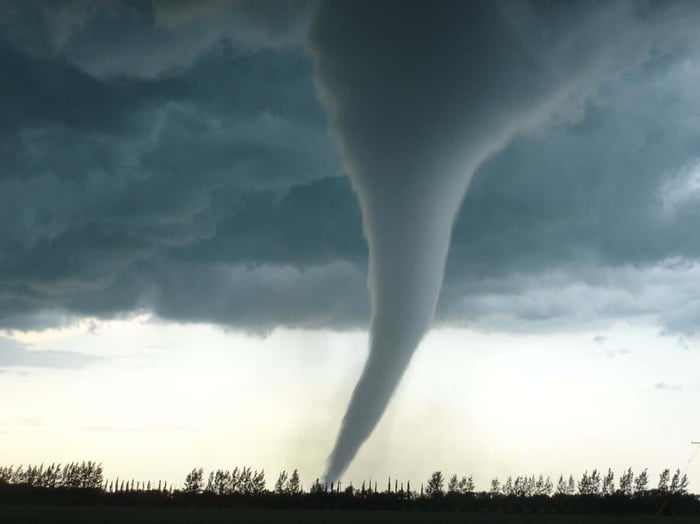
Power outages happen for a range of reasons, and most trace back to something affecting the electrical grid itself. Severe weather is the most common culprit. Thunderstorms, high winds, and ice or snow can knock down power lines or damage equipment, while extreme heat can strain the grid as demand for air conditioning spikes across an entire region.
Outages can also result from equipment failure, such as an aging transformer or a tree limb falling on a line, or from planned maintenance work your utility schedules in advance.
If the power keeps going out at your house specifically, while your neighbors' stays on, that's usually a sign of a local electrical issue — a problem with your home's wiring or the line serving your property — and it's worth reporting to your utility provider or an electrician rather than assuming it's a broader grid issue.
How Long Does a Power Outage Last?
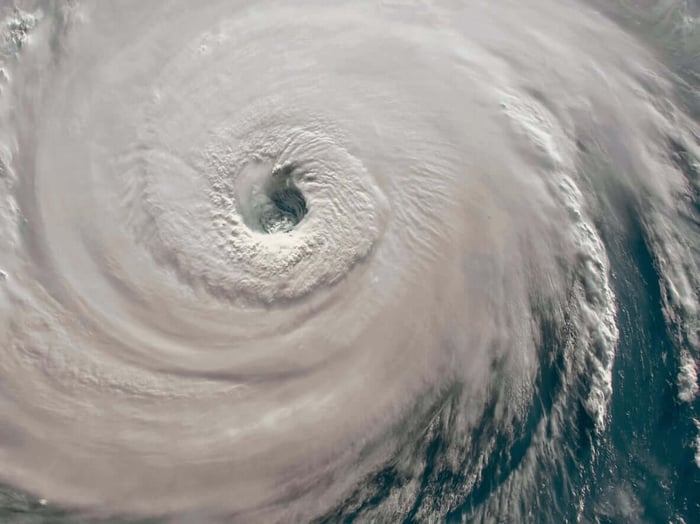
In most cases, power is restored within just a few hours, since utility crews can typically identify and fix localized issues, like a blown transformer or a downed line, fairly quickly. Severe weather changes that timeline considerably. Major storms, hurricanes, ice storms, and widespread wind events can knock out power across a large area all at once, and when crews have to work through hundreds or thousands of repair points, restoration can stretch to several days or, in the worst cases, weeks.
This uncertainty is exactly why the food and water guidance in this guide matters so much. You often won't know upfront whether an outage will last four hours or four days, which is why it's worth treating every outage with the same initial caution: watching the clock on refrigerated and frozen food, and having enough water and shelf-stable supplies on hand to comfortably outlast a worst-case timeline rather than a best-case one.
The First Few Minutes
When the lights go out, a few quick checks will help you understand what you're dealing with.
Determine the scope of the outage. Check whether the outage affects just your home or the whole neighborhood. If your neighbors' lights are also out, it's likely a broader grid issue rather than something localized to your electrical panel.
Report it to your utility provider. Most utilities let you report outages online, by phone, or through an app, and doing so helps them track the extent of the problem and estimate restoration times.
Turn off major appliances. Switch off or unplug large appliances like your oven, washer, dryer, and any sensitive electronics. This protects them from a power surge when electricity is restored and reduces the strain on the grid during recovery.
Switch to flashlights instead of candles. During a power outage at night, flashlights and battery-powered lanterns are a safer choice than open flames, which carry a fire risk — especially if you're moving through a dark, unfamiliar space.
Keep refrigerator and freezer doors closed. Every time you open the door, cold air escapes and the clock on food safety starts ticking faster.
Keeping Food Safe
Food safety is one of the biggest practical concerns during an outage, and the guidelines are fairly straightforward.
In a closed refrigerator, food stays safely cold for about 4 hours, as long as the internal temperature stays at or below 40°F. After 4 hours without power, perishable items like meat, dairy, eggs, and leftovers should be discarded, even if they still look and smell fine.
A full freezer will hold a safe temperature for about 48 hours; a half-full freezer for about 24 hours. Food that still contains ice crystals or measures 40°F or below can safely be refrozen. Anything that has warmed above 40°F should be thrown out.
Keeping an appliance thermometer in your fridge and freezer takes the guesswork out of this. When power returns, check the thermometer before deciding what to keep, rather than relying on how the food looks or smells.
Generator Safety
Portable generators are one of the most useful tools during an extended outage, but they come with a serious risk if used incorrectly.
Never run a generator indoors, in a garage, or within 20 feet of an open window, even with doors and windows open for ventilation. Generators produce carbon monoxide (CO), a gas that's invisible and odorless but can be dangerous at high concentrations. Installing carbon monoxide alarms on every level of your home adds another layer of protection, since CO can migrate indoors even from outdoor sources.
Set up generators outdoors, in open air, facing away from your house and any neighboring windows or doors.
Cooking Safely During a Power Outage
An outage doesn't mean you have to go without hot food, but where and how you cook matters.
Does a gas stove work when the power is out? It depends on the stove. Many modern gas stoves rely on an electric igniter to light the burners, so without power, the igniter won't spark and the burner won't light on its own. If your stove's manufacturer allows it, you can often still light a burner manually with a long match or lighter, since the gas itself continues to flow; you're just replacing the electric spark with a flame. Check your owner's manual first, since not every stove is designed to be lit this way safely. The oven is usually a different story: electric-ignition ovens typically won't work at all during an outage, since the ignition system needs power to open the gas valve, regardless of whether you have a match on hand.
Charcoal and gas grills should only ever be used outdoors, in open air, well away from your house. Like generators, they produce carbon monoxide as they burn fuel, and using one inside a home, garage, or enclosed porch — even with a window cracked open — can allow dangerous levels of CO to build up indoors.
Camp stoves and butane burners follow the same rule: they're designed for outdoor or well-ventilated use only. If you plan to rely on one during an outage, test it beforehand so you're familiar with how it works before you actually need it.
This is also where dehydrated emergency food earns a place in your power outage supplies. These meals only need water to prepare, ideally heated on a camp stove or grill, and they store for years, so you're not left improvising dinner from whatever happens to be in the pantry.
If you don't have an outdoor cooking option, no-cook meals are a simple fallback. Shelf-stable foods like crackers, nut butter, canned goods with pull-tab lids, and fruit require no heat at all, which is one reason it's worth keeping a small stock of them on hand alongside your other emergency supplies.
Whatever method you use, keep an eye on how long perishable ingredients have been out of the fridge or freezer, and follow the same food safety windows covered above when deciding what's still safe to cook and eat.
Protecting Your Pipes in a Winter Power Outage
If a power outage coincides with freezing temperatures, your home's plumbing needs some attention too. Without power, your furnace can't run, and pipes can freeze and burst — especially those along exterior walls.
To reduce the risk, let faucets drip slightly to relieve pressure inside the pipes, and open cabinet doors under sinks so any residual warm air in the house can reach exposed plumbing. If the outage is expected to last several days in freezing conditions with no heat source, it's worth shutting off your main water valve and fully draining the system as a precaution.
How to Stay Warm When the Power Goes Out
Losing heat during a winter outage can be uncomfortable fast, but there are safe ways to stay warm until power returns. Dress in layers, since trapped air between layers of clothing insulates far better than a single heavy layer, and add hats, gloves, and warm socks to cut down on heat loss from your extremities.
Close off one room in the house, ideally a smaller, well-insulated space, and concentrate your household there, using blankets and body heat to keep it comfortable rather than trying to heat the whole home.
Whatever you do, never use a grill, generator, or outdoor stove indoors for heat. These devices burn fuel and produce carbon monoxide, the same invisible, odorless gas covered earlier in this guide; running one indoors to stay warm carries the exact same poisoning risk as running one indoors to cook or power your home.
Can You Flush the Toilet or Shower Without Power?
One of the most common questions during an outage is whether you'll still have working water. The answer depends largely on how your water reaches your home.
Can you flush a toilet without power? If your home is on municipal water, the answer is yes; toilets on city water systems flush by gravity, not electricity, so flushing works normally even with the power out. The situation is different if your home relies on a well pump, since the pump itself needs electricity to move water from the ground into your home's plumbing. In that case, you'll typically get one flush from the water already sitting in the tank, but once that's used, the toilet won't refill on its own.
If you're on a well and need to flush after that first tank empties, you can do it manually: pour a bucket of water directly into the bowl fast enough to trigger the siphon effect, which pulls waste through the trap the same way a normal flush would. Keeping a few gallons of water set aside for exactly this purpose is a simple way to stay prepared.
Pro tips: If available, pools are a great resource for extra water. Also, if you know in advance that you may lose power, fill the bathtub so you have water ready to go.
Can you shower when the power is out? On municipal water, showering is generally fine from a water-supply standpoint, since city water pressure isn't dependent on your home's electricity. The catch is hot water: if your water heater is electric, it will stop heating once the power goes out, and any hot water left in the tank will only last as long as it takes to cool. Homes with gas water heaters may still have hot water, depending on how the unit is designed.
On a well system, showering isn't an option once the power goes out, since the well pump depends on electricity to deliver any water at all.
If you lose power, do you lose water? For most homes on municipal water, no. Water pressure and delivery aren't affected by an electrical outage, only hot water production is. Homes on well systems are the exception, since the entire water supply depends on an electric pump, meaning a power outage effectively means a water outage too, aside from whatever is left in the pressure tank.
Choosing a Backup Power Source
If outages are a frequent occurrence where you live, it may be worth investing in a backup power option. The right choice depends largely on how often you lose power and for how long.
Whole-house standby generators are permanently installed and run on natural gas or propane, making them well-suited for longer or more frequent outages since they kick on automatically. Portable generators are a more affordable option for shorter, occasional outages, but require manual setup and fuel storage. Solar battery systems offer a quiet, fuel-free alternative that can power essential circuits, particularly appealing for shorter outages or as a supplement to a portable generator.
How to Prepare for a Power Outage
Beyond the power outage itself, a little preparation goes a long way. Keep flashlights, batteries, and a battery-powered or hand-crank radio somewhere easy to find in the dark. If anyone in your household relies on medical equipment that needs electricity, have a plan for backup power or an alternate location worked out in advance.
If an outage is expected to last more than a day or two, plan for staying in touch with neighbors and checking on those who may need extra help — older adults, people with disabilities, or those with young children — is one of the simplest ways to keep everyone safer until the lights come back on.
And for long-term power outages, it's worth extending your supplies beyond the basics; extra batteries, backup solar phone chargers, and a few days of shelf-stable food and water can make an extended outage far more manageable.
For more guidance, visit our Power Outage FAQs page for answers to common power outage-related questions.