










Car Emergency Kits & Supplies
About Car Emergency Kits & Supplies
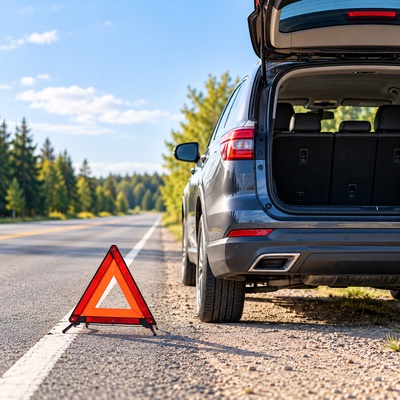
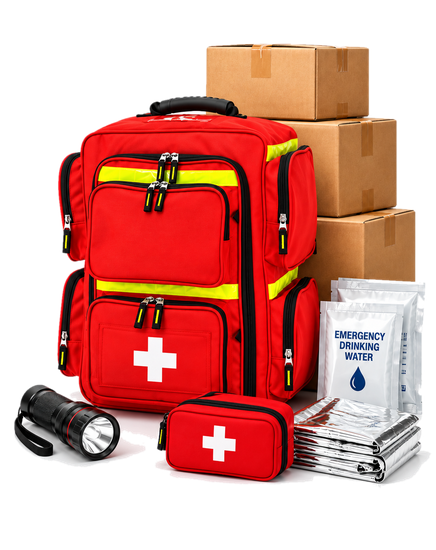
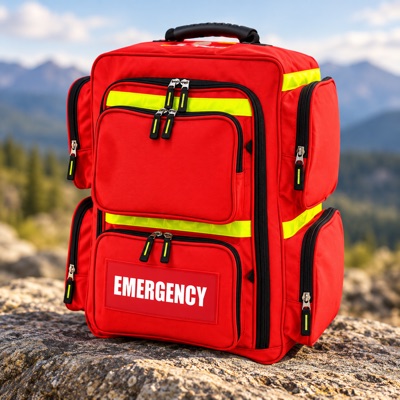
Emergencies can happen anywhere and anytime, so FEMA recommends keeping emergency supplies in every vehicle you drive, not just at home. Whether you're stuck in traffic during a storm, dealing with a flat tire on a back road, or waiting out a longer roadside emergency, having the right supplies on hand can make all the difference. Browse our selection of car emergency kits to find the right fit for your vehicle and your needs.
Kit Comparison
Comparing Car Roadside Emergency Kits
See exactly what's packed in each car roadside kit, item by item, so you can choose the right one for your vehicle.
Swipe to compare all 5 kits →
| Item | |||||
|---|---|---|---|---|---|
| Small Red Utility Bag | Included | Included | Not included | Not included | Not included |
| Small Emergency Kit Bag in High-Visibility Yellow | Not included | Not included | Included | Not included | Not included |
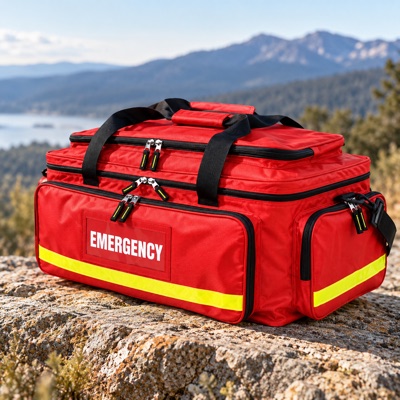
| Standard Heavy Duty Emergency Kit Bag (Red) | Not included | Not included | Not included | Included | Included |
| Puravai Emergency Drinking Water - 20 Year Shelf Life, 1 Liter Bottle | Not included | Not included | Included | Not included | Included |
| Essential Bar - 3-Day Food Ration Bar | Not included | Not included | Included | Not included | Included |
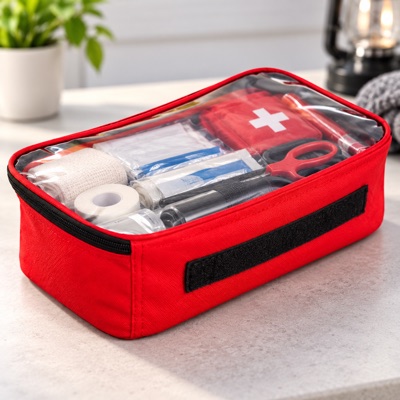
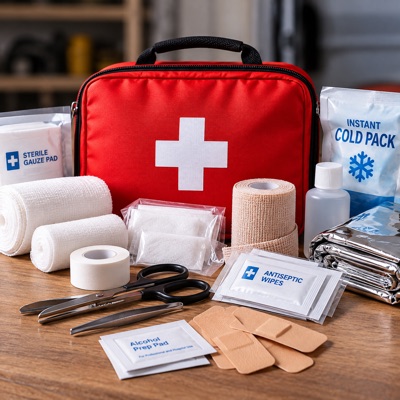
| Basic 40-Piece First Aid Kit | Not included | Included | Included | Not included | Not included |
| First Aid Kit - 100 Piece | Not included | Not included | Not included | Included | Included |
| EMR2000 Multi-Function Emergency NOAA Radio | Not included | Not included | Not included | Not included | Included |
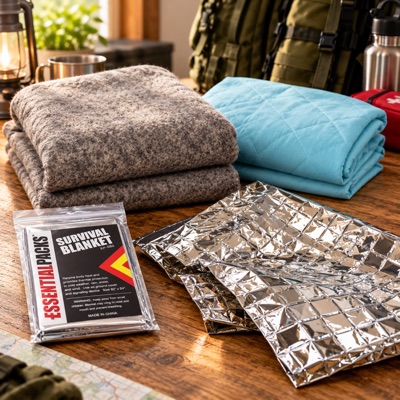
| Mylar Emergency Survival Blanket (82" x 54") | Included | Included | Included | Included | Included |
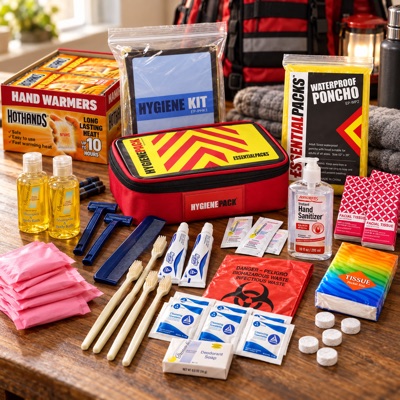
| Waterproof Poncho - Adult | Included | Included | Included | Included | Included |
| Hand Warmers - Pair | Not included | Not included | Included | Included | Included |
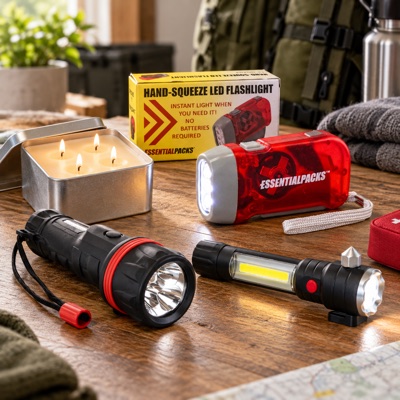
| No-Battery Hand Squeeze LED Flashlight | Included | Not included | Not included | Not included | Not included |
| Automotive Emergency Flashlight and Lantern (120 Lumen, 6 Modes) | Not included | Included | Included | Included | Not included |
| Emergency Window Punch & Seat Belt Cutter Tool (3-in-1) | Not included | Not included | Not included | Not included | Included |
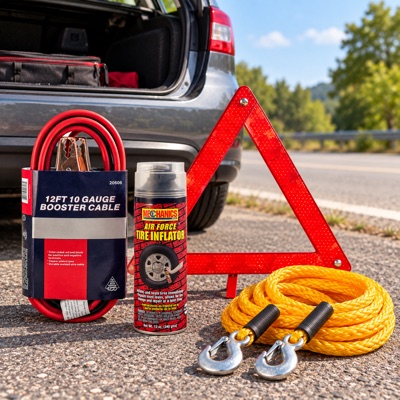
| Heavy Duty 10-Gauge Jumper Cables (12 Feet) | Included | Included | Not included | Included | Included |
| Emergency Tire Inflator Kit in a Can | Not included | Included | Not included | Included | Included |
| Emergency Auto Tow Rope (5500 LB Capacity) | Not included | Not included | Not included | Included | Included |
| Collapsible Roadside Reflective Triangle | Not included | Not included | Not included | Included | Included |
| Window Snow and Ice Scraper | Not included | Included | Not included | Included | Included |
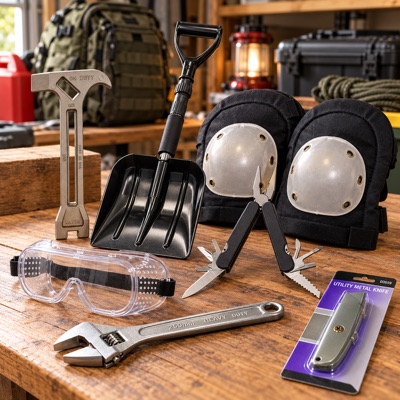
| Collapsible Emergency Snow Shovel | Not included | Not included | Not included | Not included | Included |
| First Alert Automobile Fire Extinguisher - 5-B:C | Not included | Not included | Not included | Not included | Included |
| Multi-Tool - 14-Functions | Not included | Not included | Not included | Not included | Included |
| Heavy Duty Work Gloves | Included | Included | Included | Included | Included |
| Nitrile Gloves - Pair | Not included | Not included | Not included | Not included | Included |
| Face Mask - Flat - 3-Ply with Ear Loop | Not included | Not included | Not included | Not included | Included |
| N95 Particulate Mask | Not included | Not included | Included | Not included | Not included |
| Heavy-Duty Emergency Duct Tape (10 Yards) | Included | Included | Included | Included | Included |
| Waterproof Matches - Box of 40 | Not included | Not included | Not included | Not included | Included |
| 12-Hour Yellow Emergency Glow Sticks | Included | Included | Included | Included | Included |
| Emergency Whistle with Carabiner Clip (125 dB) | Included | Included | Included | Included | Included |
| Standard Mesh Safety Vest (Fluorescent Yellow) | Not included | Not included | Not included | Included | Included |
| Automotive Emergency Help Banner | Included | Included | Included | Included | Included |
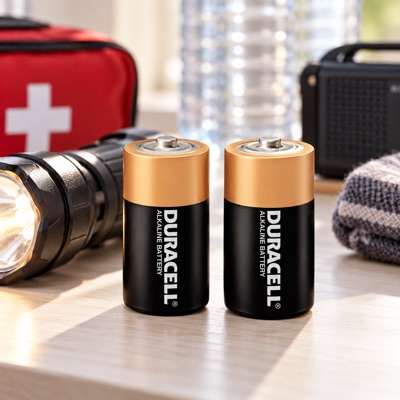
| Duracell AAA Battery - 10 Year Shelf Life | Not included | Included | Included | Included | Not included |
| Pocket Tissue Pack | Not included | Not included | Not included | Not included | Included |
| Emergency Communication Planning Card | Not included | Not included | Not included | Not included | Included |