








What Are Emergency Food Bars and How Many Do You Need?
Table of Contents
Most people think about food during a disaster only after it happens. By then, grocery store shelves are often empty, delivery services are unreliable, and cooking may not be an option if the power is out or water is unsafe. Emergency food bars are one of the simplest ways to close that gap: a compact, ready-to-eat food supply you can store almost anywhere and not think about for years.
What Are Emergency Food Ration Bars?
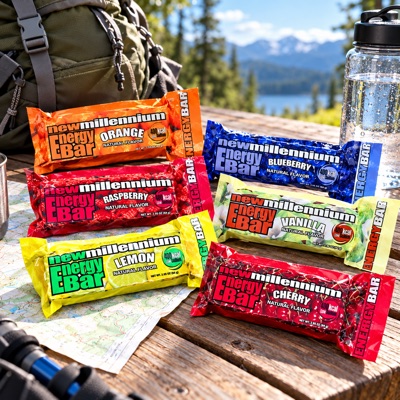
Emergency food bars, sometimes called ration bars, are compact, high-calorie bars designed to sustain you through a short-term disaster or disruption. They're one type of emergency food ration, the broader category of shelf-stable foods stored for emergencies, which also includes canned food, MREs, and freeze-dried meals. Of those options, emergency food bars are the most portable and the easiest to store and eat.
Unlike regular snack bars, emergency food bars are formulated specifically for emergency conditions:
- Calorie-dense. A dense mix of grains, fats, and sugars packs several days of calories into a few ounces.
- No preparation. No cooking, water, or utensils needed. You unwrap a serving and eat.
- Non-thirst provoking. Many everyday snacks are salty or dry enough to increase thirst. Emergency food bars are formulated to avoid that when water may be limited.
- Built for tough storage conditions. Sealed, vacuum-packed wrappers protect them through heat, cold, and humidity, including the inside of a hot car.
- Pre-portioned. Most bars are divided into servings, making it easy to spread food across several days or share it among a group.
Emergency food bars are meant to get you through a few days, not to replace regular meals over weeks. That's why they're a staple in go-bags, car kits, and school and workplace lockdown kits, where space is tight and simplicity matters most.
When Emergency Food Bars Come In Handy
It's easy to assume emergency food is only for hurricanes or earthquakes. In reality, emergency food bars are most useful in everyday disruptions where cooking or a trip to the store isn't an option:
- Power outages that last more than a day, when refrigerated and frozen food spoils
- Severe weather, including winter storms, hurricanes, and flooding, that makes travel unsafe
- Evacuation orders, when you need food you can grab in seconds
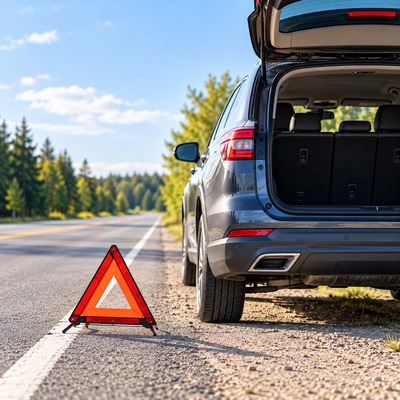
- Car emergencies, like getting stranded during a storm or stuck on a long detour
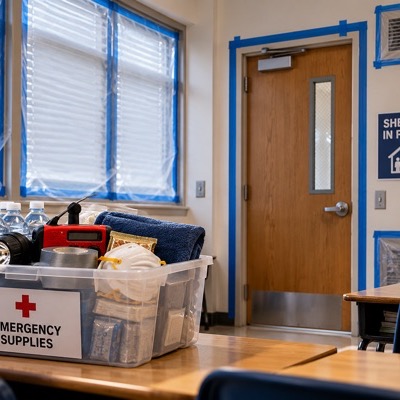
- School or workplace lockdowns, when groups may need to shelter in place for hours
- Water or utility disruptions, when you can't cook even with a full pantry
None of these require a large-scale catastrophe. Many happen regularly, in ordinary neighborhoods, to ordinary people.
Emergency Food Bars vs. Canned Food, MREs, and Freeze-Dried Meals
Emergency food bars aren't the only type of emergency food ration, and they work best alongside the others. Each option trades off shelf life, weight, preparation, and variety differently.
| Emergency Food Bars | Canned Food | MREs | Freeze-Dried Meals | |
|---|---|---|---|---|
| Typical shelf life | 5 years | 2 to 5 years | 3 to 5 years (shorter in heat) | Up to 25 years unopened |
| Water needed | None | None | Optional, for heating | Yes |
| Preparation | Ready to eat | Can opener; heating optional | Ready to eat or self-heating | Hot water preferred |
| Weight and portability | Very light, compact | Heavy, bulky | Moderate | Light, but bulky packaging |
| Heat tolerance | High | Moderate | Low to moderate | Moderate |
| Variety and taste | Limited | Wide | Good | Wide |
Canned Food
Canned goods are affordable, familiar, and easy to rotate into everyday meals. They also contain moisture, which helps with hydration. Compared to emergency food bars, though, cans are heavy and bulky, often high in sodium, and usually need a can opener. They're a strong choice for a home pantry but impractical for a go-bag.
MREs (Meals Ready to Eat)
MREs offer complete meals with entrees, sides, and snacks, and many include a flameless heater. They feel more like a real meal than an emergency food bar, which can help morale during a longer disruption. The tradeoffs are weight, cost per calorie, and heat sensitivity, which can shorten their shelf life in a car or warm garage.
Freeze-Dried Meals
Freeze-dried meals offer the longest shelf life and the most variety of any option, which makes them ideal for long-term home storage. Their main limitation is water. Most need hot water to rehydrate, so they depend on extra water reserves and a heat source that emergency food bars don't.
How They Work Together
The most prepared households, schools, and workplaces use emergency food bars as the foundation and add other rations where they fit:
- Go-bags, car emergency kits, and workplace emergency kits: Emergency food bars, since space is tight and conditions are unpredictable.
- Classroom and school emergency kits: Emergency food bars, since they store easily and can be handed out quickly.
- Extended home sheltering: Canned food or freeze-dried meals for variety, with emergency food bars as a no-prep backup.
- Longer disruptions where weight isn't a concern: MREs, as long as they're stored somewhere cool.
How Many Emergency Food Bars Do You Need?
A widely used baseline for short-term emergency survival is about 1,200 calories per person per day. Children, larger adults, and people in physically demanding conditions, like extreme cold or evacuation on foot, may need more. That's lower than typical daily recommendations of 2,000 to 2,500 calories because emergency food bars are meant to prevent the effects of going without food, not to maintain your normal diet.
For a 72-hour supply, plan on about 3,600 calories per person. To figure out how many bars to stock, multiply the number of people by the number of days and by 1,200, then divide by the calories in each bar. Here's what that looks like with a 2,400-calorie bar:
| Who | 72-hour calories | 2,400-calorie bars |
|---|---|---|
| 1 person | 3,600 | 1.5 |
| Family of 4 | 14,400 | 6 |
| Classroom of 25 | 90,000 | 38 (rounded up) |
Rounding up gives you a buffer for larger appetites, colder weather, or a disruption that lasts a little longer than expected. EmergencyKits.com sells its Emergency Food Bars as single bars, a case of 24 bars, and a pallet of 1,176 bars.
How Long Do Emergency Food Bars Last?
Most emergency food bars have a shelf life of about 5 years from the date of manufacture, and the expiration date is printed on the packaging. The sealed wrapper is what protects that shelf life. If a package is torn, punctured, or swollen, replace that bar even if it's still within date.
Expiration and Rotation
Even long shelf-life products benefit from a little attention over time:
- Check expiration dates once or twice a year. Pairing it with a routine event, like changing your clocks, makes it easy to remember.
- Store bars somewhere they won't be crushed or punctured.
- Rotate older stock into daily use occasionally, such as on a hike or in a lunch bag, so nothing goes to waste.
- Replace any bars that are past their expiration date.
Where to Keep Emergency Food Bars
A common mistake is keeping emergency food only at home. Disruptions don't always happen when you're there, and emergency food bars are small enough to keep a few wherever you spend time:
- At home, as part of a broader emergency kit
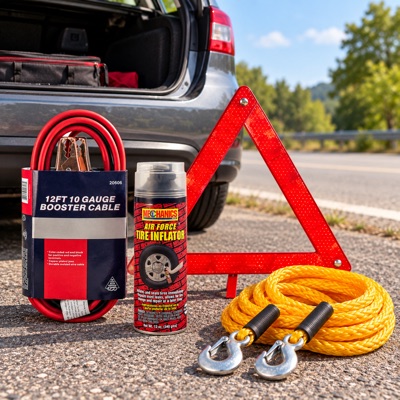
- In your car, in case you're stranded or delayed
- In a go-bag or backpack, for quick evacuations
- At the office or in a classroom kit, for lockdowns or extended building closures
How to Choose the Best Emergency Food Bars
Not all emergency food bars are made the same. When comparing options, check:
- Calories per bar. Higher calories per ounce means less to carry.
- Shelf life and temperature range, especially if bars will live in a car.
- Certifications, such as U.S. Coast Guard approval.
- Dietary compatibility, such as vegan or nut-free formulations, if that matters for your household or school.
- Taste. This one gets overlooked, but it matters. Many emergency food bars are bland or chalky, which makes them hard to eat during an already stressful moment.
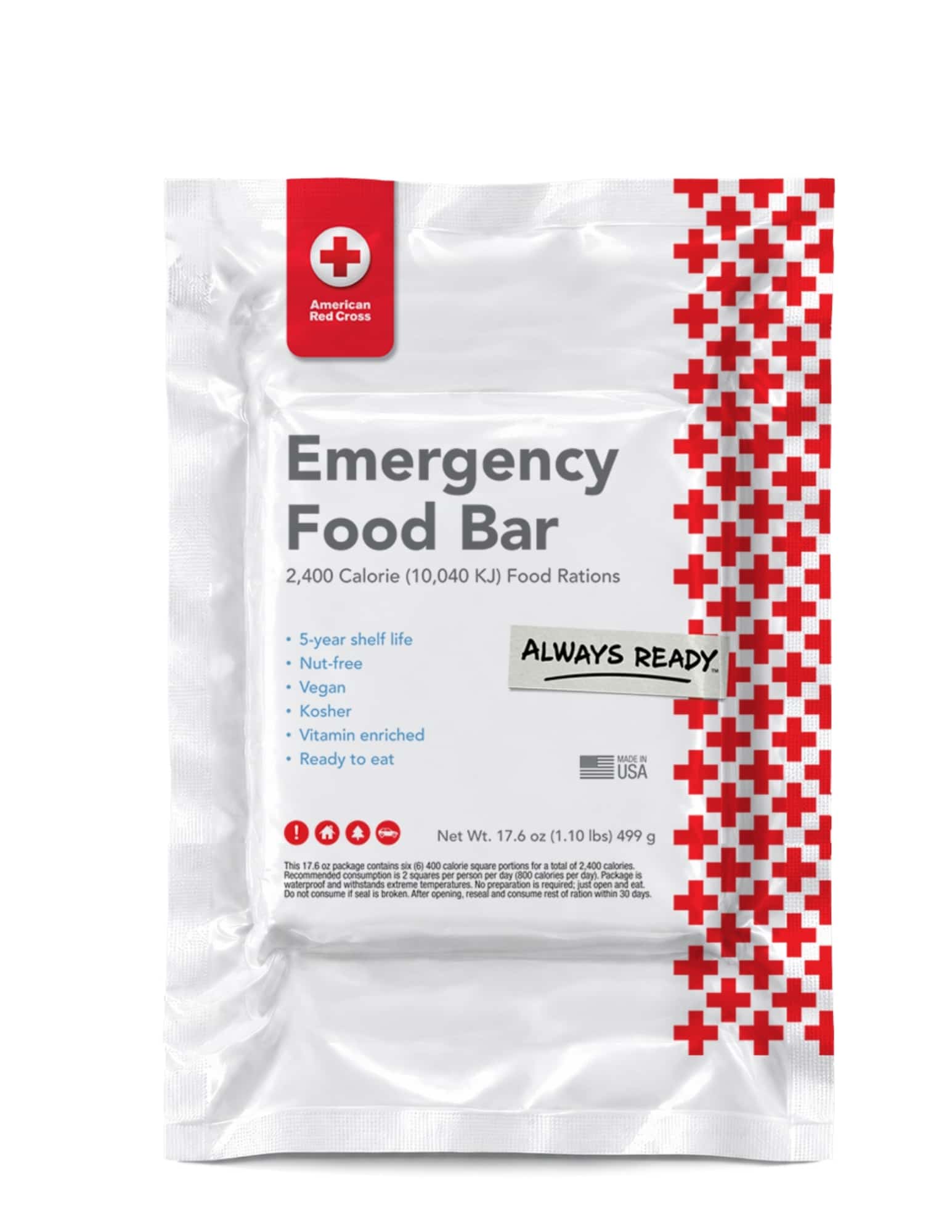
Our own Emergency Food Bar was designed to check every box. Each bar provides 2,400 calories across 6 easy-to-portion servings and tolerates temperatures from -40°F up to 300°F. It's officially licensed by the American Red Cross, U.S. Coast Guard approved, vegan, nut-free, and made in the USA. And unlike most bars in this category, it tastes like a shortbread cookie, so it's something you'd actually want to eat, not just tolerate.
In the end, the specific brand matters less than the habit. Having a reliable, no-prep food source ready before an emergency is one of the simplest and most effective ways to prepare.
FAQs
Do emergency food rations expire?
Yes. Every type of emergency food ration has an expiration or best-by date. Emergency food bars typically last about 5 years, while freeze-dried meals can last much longer and most canned food and MREs last less.
How many emergency food bars does one person need for 72 hours?
One person needs about 3,600 calories for 72 hours, which equals one and a half 2,400-calorie bars. Many people keep 2 bars per person for a small buffer.
What does Coast Guard approved mean?
U.S. Coast Guard approval means an emergency food bar meets federal standards originally set for lifeboat and life raft provisions. These standards cover calorie content, sodium and protein levels that help limit thirst, packaging durability, and shelf life.
Can kids eat emergency food bars?
Yes, emergency food bars are generally suitable for children who already eat solid foods. Kids usually need smaller portions, so pre-portioned servings make it easy to break off the right amount. For toddlers, crumble servings into small pieces. Infants need formula or baby food instead, so pack those separately, and check ingredients for any allergies in your household.