Emergency Water Storage: What You Need to Know
Water is the single most important supply in any emergency kit. Most people can only go a few days without it, and yet emergency drinking water one of the most overlooked parts of emergency planning, since running water is something most households simply take for granted until it isn't there. Knowing why you might need backup water, how much to store, and how to store it properly can make a stressful situation far more manageable.
Why You Might Need Backup Water
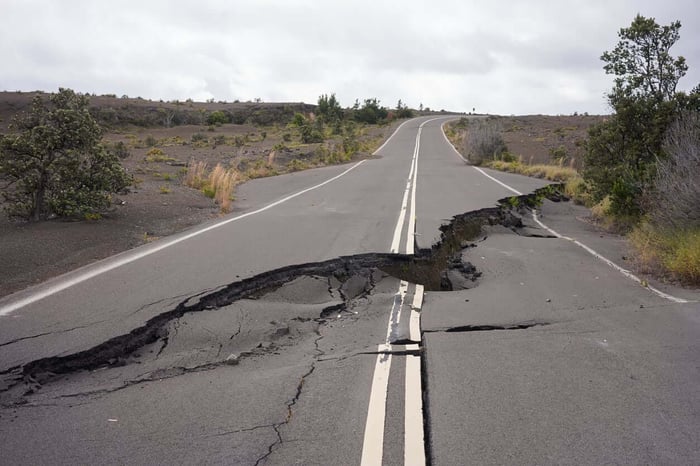
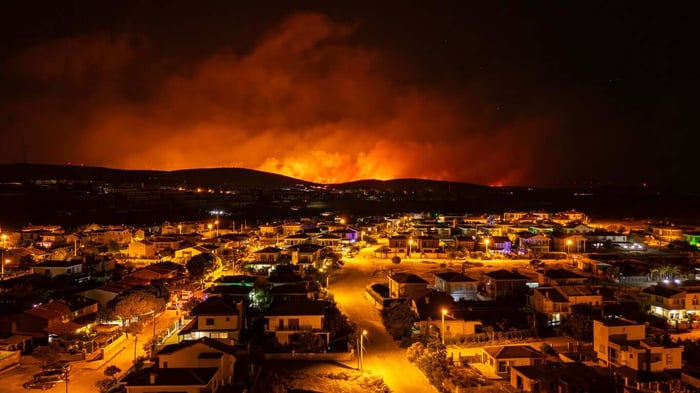
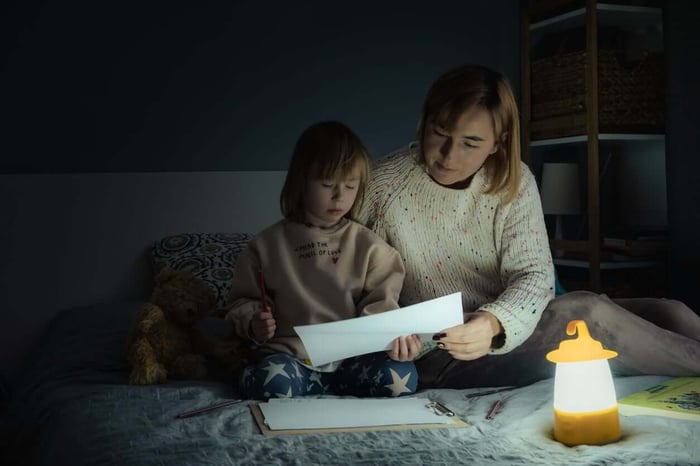
A reliable water supply can be disrupted for more reasons than people expect. Natural disasters like hurricanes, earthquakes, and severe winter storms can damage water treatment plants and distribution lines, cutting off service for days or even weeks. Power outages can also affect water availability, particularly for homes on well systems, since well pumps rely on electricity to move water from the ground into your home.
Even when the physical water supply is intact, it isn't always safe to drink. Floods, earthquakes, and other infrastructure failures can contaminate municipal water supplies, and it's not always obvious just from looking at your tap whether that's happened. When in doubt, treat tap water by boiling it, using purification tablets, or filtering it before drinking, and follow guidance from local authorities on any boil-water advisories in effect. Having stored water on hand as a backup means you're not depending on being able to treat water safely in the moment you need it most.
How Much Water Should You Store?
The FEMA minimum is 1 gallon of water per person, per day — roughly half a gallon for drinking and half a gallon for cooking, hygiene, and basic sanitation. At minimum, plan for a 3-day supply, which works out to 3 gallons per person and covers the length of most short-term disruptions.
For a more robust supply, many emergency management agencies recommend working toward a 2-week supply, particularly if you live in an area prone to hurricanes, earthquakes, or other disasters where utility restoration can take longer than a few days. That works out to 14 gallons per person, or 56 gallons for a family of four. Pregnant women, children, and pets have different water needs, so it's worth adding extra reserves beyond the baseline calculation for anyone in your household who falls into those categories. Hot climates increase water needs as well, since higher temperatures mean more water lost to sweat and faster dehydration.
The Best Way to Store Water: Buy It, Don't DIY It
It's tempting to save money by simply filling up empty containers from the tap, but this approach comes with real downsides. Reused containers, especially ones that previously held milk, juice, or anything other than water, can harbor bacteria or residue that's difficult to fully clean out, even with careful washing. Tap water stored this way also needs more careful treatment and rotation, since it wasn't packaged or sterilized for long-term storage in the first place.
Buying water specifically intended for storage solves both problems and is generally the more reliable choice for emergency preparedness. A few options worth considering:
Commercially bottled water is the simplest option and widely available. Cases of bottled water are pre-sealed, easy to stack, and simple to rotate through your regular use so nothing goes to waste. Additionally, a standard 24-bottle case is roughly 3 gallons, which is about one person's 3-day minimum. The individual bottle size also makes it easy to grab a few and go if you need to evacuate.
Canned water is a less common but increasingly popular option, prized for a shelf life that can run up to an impressive 50 years. Because it requires so little ongoing attention, canned water is a practical choice for households that want to store water long-term without having to monitor or rotate it often. For more information about canned water, see our post How to Store Water for an Emergency: A 50-Year Solution
Emergency water pouches are individually sealed, foil-laminate (Mylar) pouches designed specifically for long-term storage, making them the standard choice for go-bags and evacuation kits. Water pouches are sterilized and sealed under conditions that prevent bacterial growth, which is what gives them a dramatically longer shelf life (up to 5 years) than bottled water. They're also built to withstand rough handling without leaking or rupturing during normal transport, though any pouch that is damaged should be used right away and replaced. Pouches are also generally safe for infants, since they contain only sterilized water with no additives, though doctors recommend briefly boiling water for babies under 3 months old as an extra precaution when possible. One tradeoff worth knowing: the foil-laminate packaging isn't recyclable through most municipal recycling programs, so plan on standard disposal unless a specialty recycler in your area accepts foil pouches.
If You Choose to Store Tap Water Instead
If you'd rather fill your own containers, it's still possible to do it safely, just with a bit more upkeep. Municipal tap water stored in a clean, food-grade container lasts about 6 to 12 months untreated, and rotating it annually is recommended to maintain quality.
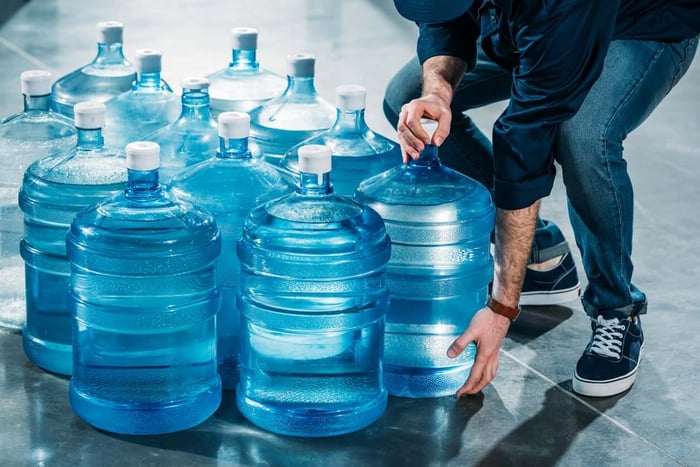
If you choose to store tap water, it's essential you pick a water storage container or barrel built specifically for water storage and made from food-grade, BPA-free HDPE plastic. Among the best water storage containers, stackable cube-shaped containers are a popular choice for households, generally ranging from 3.5 to 7 gallons; a 5-gallon water storage container is a common, easy-to-handle size that fits into tight spaces.
For larger volumes, 55-gallon barrels hold significantly more water per unit of storage space, though they require a dedicated storage area and a siphon pump to access the water inside, since you can't simply tip a 55-gallon barrel to pour from it.
Whichever option you choose, look for packaging that's specifically labeled for water storage or food-grade use, and never store water in a repurposed container that previously held chemicals, even if it's been rinsed.
Besides container selection, another important consideration is shelf life. To extend the shelf life of municipal water, you have two main options: a water preserver product, or treating the water with household bleach before storage.
How Long Does a Water Preserver Extend Shelf Life?
A water preserver is a concentrated solution added to stored tap water to prevent bacteria and algae growth, extending its shelf life to up to 5 years. It can take the form of preserver concentrate or preserver drops, and it's generally recommended for anyone planning to store water longer than 6 months.
How Much Bleach Per Gallon of Water?
Use 8 drops, or about 1/8 teaspoon, of unscented household bleach (5 to 6 percent sodium hypochlorite) per gallon of clear water — double that amount for cloudy water. Stir it in and let the water stand for 30 minutes before use. Keep in mind that bleach treats water for immediate safety but isn't a long-term preservative the way a dedicated water preserver product is, so bleach-treated water should still be rotated every 6 to 12 months.
Where to Store Your Water Supply
Where you keep your water matters almost as much as how you store it. A few guidelines apply across all storage methods:
Keep it cool, dark, and at a stable temperature. A basement, interior closet, or north-facing garage wall works well. Direct sunlight can encourage algae growth in stored water, and temperatures above 85°F can degrade both the water and its container over time.
Watch for freezing risk. Water freezes below 32°F and can burst rigid containers as it expands. Mylar pouches hold up better in cold conditions than rigid bottles, but even they can rupture in a deep freeze. Aim to store water above 40°F, and avoid unheated garages or sheds in cold climates.
Keep it away from chemicals and fuel. Store water away from gasoline, pesticides, cleaning supplies, and other chemicals, since some plastics can absorb fumes and odors over time, even through a sealed container.
Elevate barrels off concrete. A pallet or platform under a 55-gallon barrel helps prevent any chemical transfer from the concrete floor and makes leaks easier to spot.
Split your supply across multiple locations if possible. Storing some water in your main living space and some in a garage or vehicle means you're not left without access if one area becomes unreachable or damaged.
How Long Can You Store Water?
Replacement schedules depend on how you’re storing your emergency water. Commercially bottled water is often rotated every 6 to 12 months as a matter of practice, even though sealed bottled water generally remains safe well past its printed date if the seal is intact and it's been stored properly. Canned water can go 50 years between rotations, and Mylar-sealed emergency water pouches are typically good for 5 years, making both low-maintenance options for anyone who doesn't want to think about rotation often. If you're storing tap water yourself, plan to rotate annually without treatment, or up to every 5 years if you've added a water preserver product.
As a simple system, mark the purchase or fill date on each container when you store it, and replace it before its expiration date. Using older water for everyday drinking or cooking and replacing it with a fresh supply is an easy way to avoid waste while keeping your emergency stock current.
Water Storage Is Worth Getting Right
Your emergency water supply isn't a flashy part of emergency preparedness, but it's arguably the most important. Having a properly stored, adequately sized water supply on hand means that whatever disrupts your water service — a storm, an outage, a boil advisory, or something else entirely — you and your household aren't left scrambling to figure out where your next drink is coming from.
For more guidance, visit our Water Storage FAQs page for answers to common water storage-related questions.