
















How to Prepare for a Winter Storm or Blizzard
Winter storms bring more than just snow — they can mean dangerous cold, damaging ice, and in the most severe cases, blizzard conditions that make travel life-threatening. Knowing what you're dealing with, how to prepare, and how to stay safe once the weather turns can make the difference between riding out a storm comfortably and being caught off guard. Here's what you need to know, from understanding the terminology to staying warm, driving safely, and knowing how to prepare.
What Is a Winter Storm? What Is a Blizzard?
A winter storm is a broad term covering a range of cold-weather events, including heavy snow, sleet, freezing rain, or a mix of all three, often accompanied by dangerously cold temperatures. Winter storms vary widely in severity, from a few inches of snow that mostly just slows down a morning commute to a multi-day event that shuts down travel and knocks out power across a wide region.
A blizzard is a more specific and more severe classification. To be officially considered a blizzard, a storm needs sustained winds of 35 mph or greater, combined with heavy or blowing snow that reduces visibility to under a quarter mile, and these conditions need to last for at least three hours. In other words, every blizzard is a winter storm, but not every winter storm qualifies as a blizzard.
The main hazards from blizzards are whiteout visibility, life-threatening wind chill, and stranded travel.The combination of wind, snow, and severely limited visibility is what makes blizzards especially dangerous, both for anyone caught outdoors and for drivers who can find themselves unable to see the road at all.
Winter Storm Advisories, Watches, Warnings, and Blizzard Warnings
A winter weather advisory is issued when winter weather is expected to cause inconvenience and hazards but is not expected to reach warning-level severity. It typically covers conditions like light-to-moderate snow, patchy ice, or blowing snow that can still make travel difficult and increase the risk of accidents, even though the storm isn't severe enough to warrant a warning. Advisories are a signal to stay cautious and adjust your plans, not to take shelter or expect major disruption.
A winter storm watch means severe winter weather is possible within the next 12 to 48 hours. This is your window to prepare: stock supplies, review your household's plan, and keep an eye on updated forecasts.
A winter storm warning, issued by the National Weather Service, means severe winter weather is happening, imminent, or highly likely, calling for sheltering in place and avoiding travel. Among winter weather alerts, it's about as serious as they come: forecasters aren't just flagging a possibility anymore, they're confirming that dangerous conditions are on the way and capable of putting both lives and property at risk.
A blizzard warning means blizzard conditions, as described above, are expected or already underway. It's considered life-threatening, and the guidance is the same as a winter storm warning, only more urgent: stay indoors, avoid travel entirely, and be prepared for the possibility of extended power outages, since ice and heavy snow frequently bring down power lines and tree limbs.
Where Winter Storms and Blizzards Happen Most
Winter storms affect a large swath of the U.S., but some regions see them far more often than others. The Midwest, Great Plains, and Great Lakes regions are especially prone to both heavy snow and blizzard conditions, thanks to wide-open terrain that does little to slow down high winds. The Northeast sees frequent nor'easters, a type of powerful coastal winter storm capable of dumping heavy snowfall across a wide area in a short time. Mountainous regions, including the Rockies and parts of the Sierra Nevada, regularly see significant snowfall as well, though local terrain can make conditions vary sharply over relatively short distances. Even areas that don't typically expect much winter weather, including parts of the South, can occasionally see disruptive winter storms, which tend to catch communities less prepared for icy roads and freezing temperatures.
How to Prepare for a Winter Storm
Preparation calls for the same core winter storm emergency supplies and precautions no matter how severe the storm turns out to be.
Winterize your home ahead of the season. Insulate exposed pipes, have your heating system serviced, and stock up on heating fuel if your system relies on it. Taking care of this before the first cold snap means you won't be scrambling once a storm is already forecast.
Prevent frozen pipes. Keep your indoor temperature at 55°F or higher, even if you're away, and open cabinet doors under sinks so warm air can reach exposed pipes. Let cold-water faucets drip slightly to relieve pressure inside the pipes, and insulate any exposed pipes with foam sleeves. Before the first hard freeze of the season, shut off and drain outdoor faucets to prevent damage.
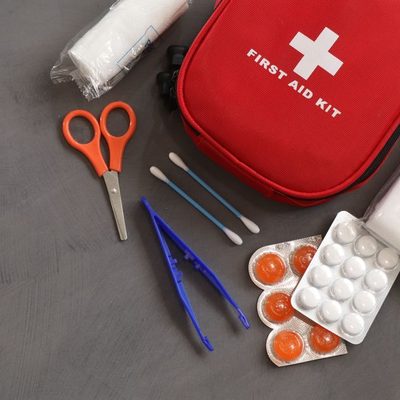
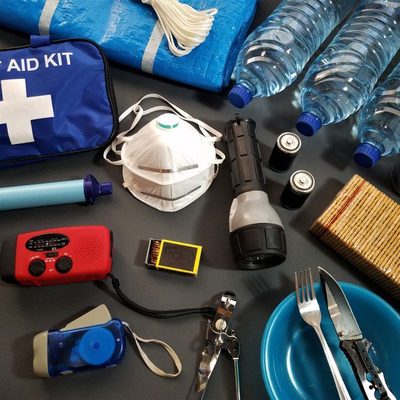
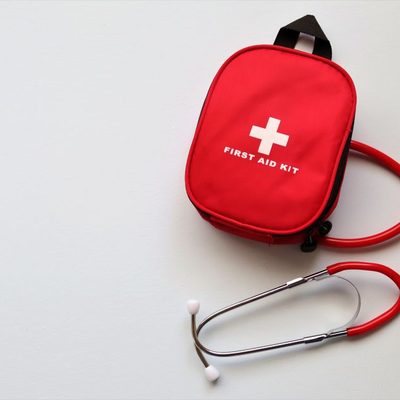
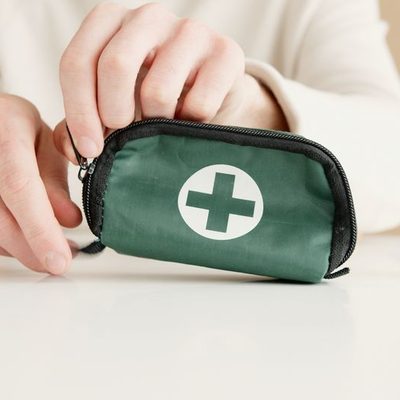
Build a winter-storm emergency kit, including:
Wool blankets and hand warmers
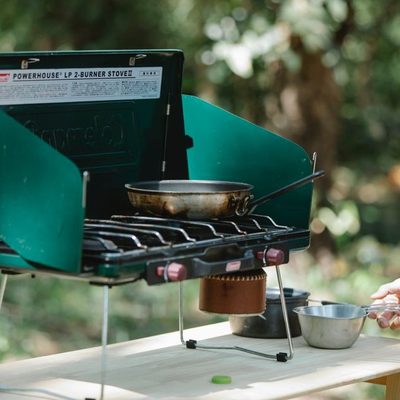
A safe alternative heat source, paired with a working carbon monoxide detector
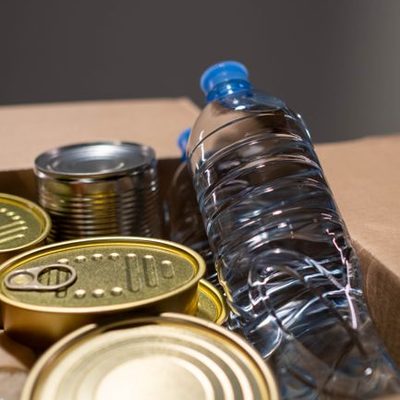
At least 3 gallons of water per person (covers 3 days), stored indoors so it doesn't freeze
At least 3 days of non-perishable food
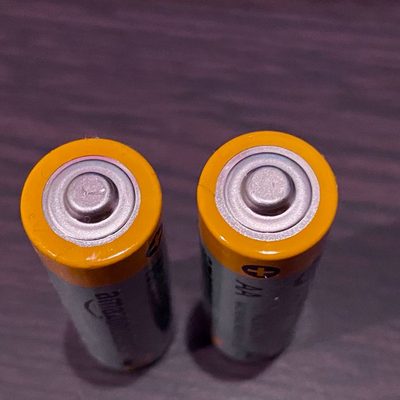
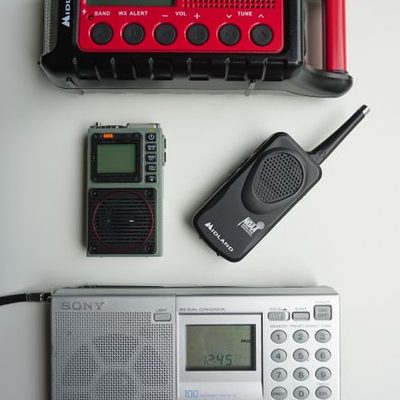
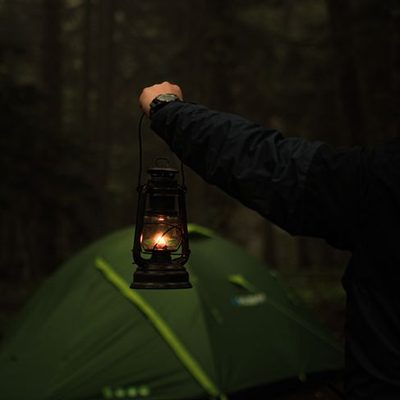
A flashlight, NOAA weather radio, and extra batteries
Rock salt, a snow shovel, and sand or kitty litter for traction on walkways
How to Prepare for an Ice Storm
Unlike heavy snow, ice storms cause damage through ice accumulation on power lines and tree limbs, which means preparing for extended power outages matters more than worrying about snow depth. Charge all your devices ahead of time, since outages can last for days while crews work through downed lines and debris. Expect travel to be impossible until roads are treated, so plan to stay put rather than risk driving on ice. And if you see a downed power line, stay away from it entirely — never touch it, and assume it's live even if it looks harmless.
Staying Warm Safely
Staying warm during a winter storm matters just as much as staying fed and hydrated, but it has to be done safely. Dress in layers, since trapped air between layers insulates far better than one heavy layer, and use wool blankets and hand warmers to supplement your home's heating if needed.
Whatever backup heat source you use, pair it with a working carbon monoxide detector, and never use outdoor heaters, generators, or grills indoors, even in a garage with the door open. These devices produce carbon monoxide, an invisible, odorless gas that can be deadly, and cold-weather CO poisoning cases climb every winter as people look for ways to stay warm during an outage.
For more information about power outages, read our article “Power Outage 101: A Practical Guide for Staying Safe.”
What to Do During a Winter Storm
Stay indoors unless travel is truly essential, especially once a warning has been issued. Conserve heating fuel where you can, and check on neighbors, particularly older adults or anyone who may need extra help staying warm or getting supplies.
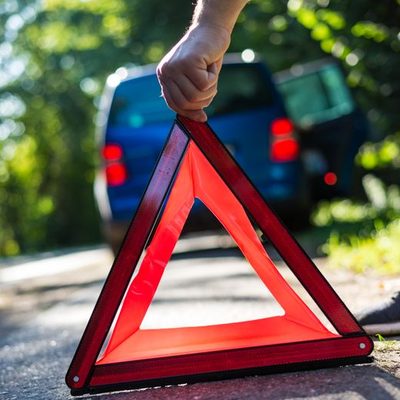
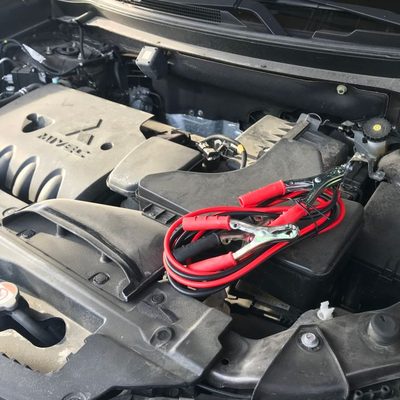
If driving is unavoidable, clear all your windows fully before heading out, reduce your speed significantly, and carry a winter car kit that includes a blanket, food, water, an ice scraper, and a shovel. Keep your fuel tank above half full, drive with your headlights on, and increase your following distance to account for slippery roads. If you get stuck, never run your engine while snow is blocking the exhaust, since this can allow carbon monoxide to build up inside the vehicle.
The blizzard safety tips are essentially the same, just more urgent: staying indoors is how you stay safe during a blizzard.
Recognizing and Treating Hypothermia
Extended cold exposure, whether from being stranded outdoors or from an extended power outage indoors, carries a real risk of hypothermia — a dangerous drop in body temperature below 95°F. Signs include uncontrollable shivering, confusion, slurred speech, and a slowed heart rate. If someone shows these symptoms, move them to warmth as quickly as possible, remove any wet clothing, and wrap them in dry blankets, focusing on warming the body's core — chest, neck, and groin — first. Call 911 for any severe case, since hypothermia can become life-threatening quickly without proper medical care.
After the Storm
Once the snow stops and winds die down, the danger isn't necessarily over. Continue checking on neighbors, especially anyone who may have lost power or struggled to stay warm during the storm. Inspect your pipes for any signs of freezing or damage before assuming everything is back to normal, and if a pipe has frozen but not burst, thaw it slowly using a hair dryer or warm towels rather than an open flame. Clear snow and ice from walkways and steps to prevent falls, and give roads extra time to clear before resuming normal travel, since ice can linger well after visible snow has melted.
Winter Storm Preparedness Checklist
Use this winter storm preparedness checklist to make sure nothing gets missed before the temperature drops and the roads turn dangerous.
Home winterized against drafts and freezing temperatures
Pipes protected with insulation and outside faucets shut off and drained to prevent freezing and bursting
Emergency kit stocked and easy to access
Car kit ready in case you're stranded on the road
Carbon monoxide detector tested and working
Neighbors' phone numbers on hand in case you need to check on each other
Preparation Makes the Difference
Winter storms and blizzards are far more manageable when your home, supplies, and household plan are ready before the first flakes start falling. A little preparation each fall, rather than a scramble once a storm is already forecast, is what turns a potentially dangerous event into one your household can weather safely and comfortably.
For more guidance, visit our Winter Storms FAQs page for answers to common winter storms-related questions.