



















How to Prepare for a Nuclear Emergency
Radiological emergencies are rare, but they're also one of the more misunderstood hazards households prepare for — starting with the terminology itself.
A radiological emergency is the broader term, covering any incident involving the release of or exposure to radioactive material. A nuclear emergency is more specific, referring to events involving nuclear fission or a nuclear reaction, such as a power plant accident or a nuclear weapon detonation. In short, every nuclear emergency is a radiological emergency, but not every radiological emergency is nuclear.
The good news is that regardless of which term applies, the core response is the same: get inside, stay inside, stay tuned. That response is straightforward, and a little preparation ahead of time makes it much easier to carry out calmly if it's ever needed.
What Is Radiation, and What Does It Do to the Body?
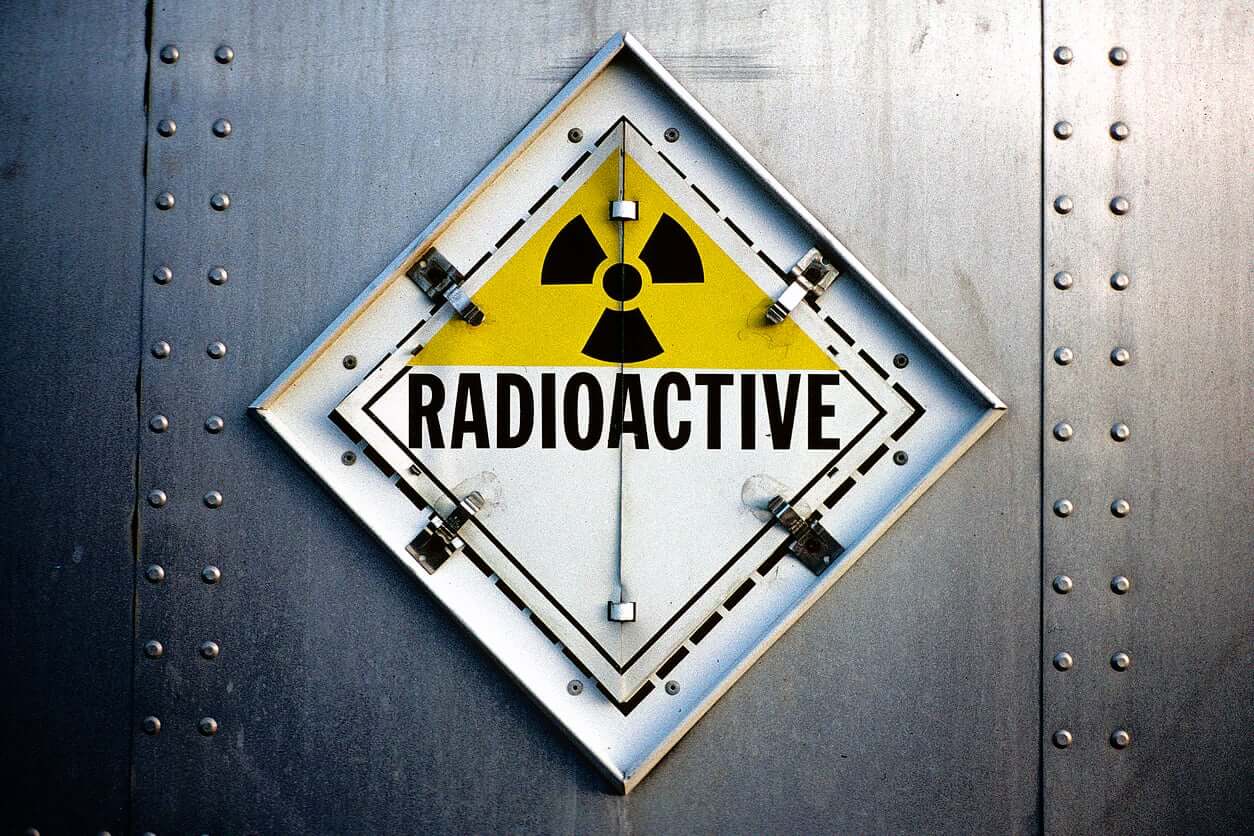
The word "radiological" simply refers to radiation, so a radiological emergency is any emergency involving the release of radiation into the environment. Radiation is energy that travels through space. In everyday life, we're exposed to small amounts of naturally occurring ionizing radiation from cosmic rays, rocks and soil, and even trace amounts within our own bodies. Radiation is also used in medicine, research, and industry. What makes a radiological emergency dangerous isn't radiation in general, but exposure to unusually high amounts of it, released suddenly by an accident or a deliberate act.
In high enough doses, radiation can damage the body's cells and tissue. Exposure to significant amounts of radiation can cause radiation sickness, with symptoms ranging from nausea and fatigue to more severe effects depending on the dose, duration, and type of exposure. The danger from a radiological emergency comes down to a combination of factors: how much radiation you're exposed to, how long you're exposed to it, and how much shielding stands between you and the source. That's exactly why the standard guidance — getting inside, putting distance and shielding between yourself and the radiation, and limiting how long you're exposed — is built around those same three variables.
Ways People Can Be Exposed to a Radiological Emergency
Radiological emergencies generally fall into two categories: accidents involving radioactive material, and intentional acts using it.
Nuclear power plant accidents can release radioactive material into the air or water surrounding the plant. The 1979 Three Mile Island accident in Pennsylvania is a well-known example, and the U.S. Nuclear Regulatory Commission (NRC) publishes a fact sheet on that incident for anyone wanting more detail.
Transportation accidents involving radioactive material are another possibility, since these materials are regularly shipped by sea, rail, road, and air for medical, industrial, and research purposes. Strict regulations govern how radioactive material is transported, which makes emergencies of this kind extremely rare.
Nuclear weapons use a nuclear reaction to create an explosion far more powerful than conventional explosives, releasing a blast wave, intense light, heat, and radiation all at once. Some nuclear explosions also produce fallout — radioactive dust and debris that settles on the ground and surrounding structures, or travels on the wind. Larger fallout particles tend to settle within hours, while finer particles can travel hundreds of miles from the point of detonation.
Radiological dispersal devices (RDDs), commonly known as dirty bombs, combine conventional explosives with radioactive material, with the intent of spreading contamination across an affected area. To date, no dirty bomb has ever been used in an act of terrorism, but it remains a scenario that emergency planners prepare for.
How to Prepare for a Radiological Emergency
If you live near a nuclear power plant. Many people worry about what happens if a nuclear power plant explodes. In reality, nuclear power plants are built with multiple layers of containment and safety systems specifically designed to prevent that scenario, even in a severe accident. The real-world concern emergency planners prepare for is a radiological release, not an explosion, and knowing what to do in that situation is what actually matters.
If you live within roughly a 10-mile radius of a nuclear power plant, the NRC requires that residents receive emergency information materials every year, often distributed through phone books, calendars, brochures, or utility bills. These materials cover basic radiation education, evacuation and sheltering instructions, arrangements for anyone with a disability, and contact information for additional help. Depending on the situation, that typically means either sheltering in place — going indoors, closing windows and doors, and shutting off ventilation systems — or evacuating along a specific route if local officials determine that's safer. Read these materials when they arrive, and store them somewhere you can find quickly, rather than setting them aside and forgetting where they ended up. If you or someone you know would need extra assistance during an emergency, your local emergency management agency can help you plan for that in advance.
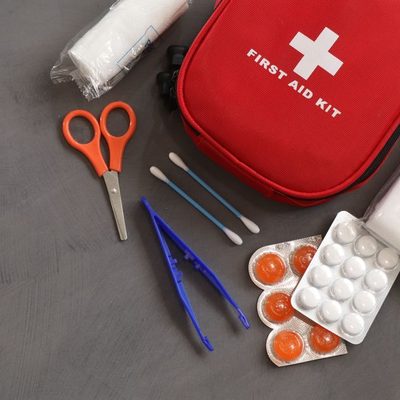
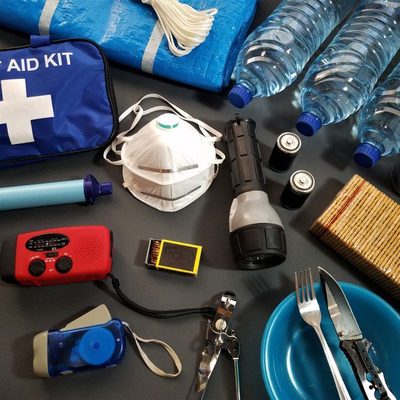
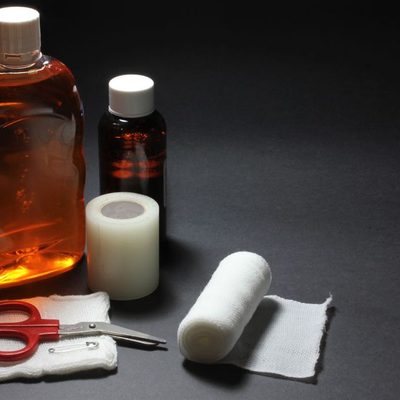
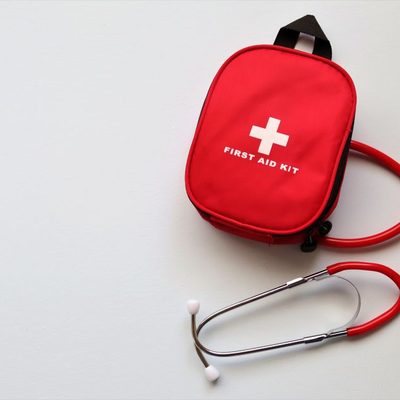
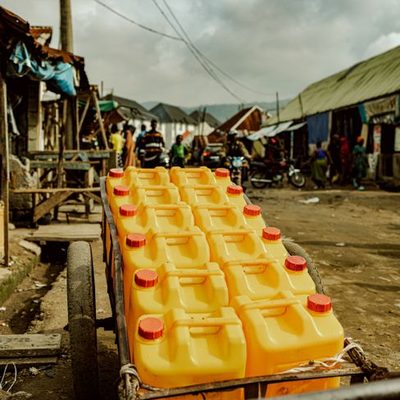
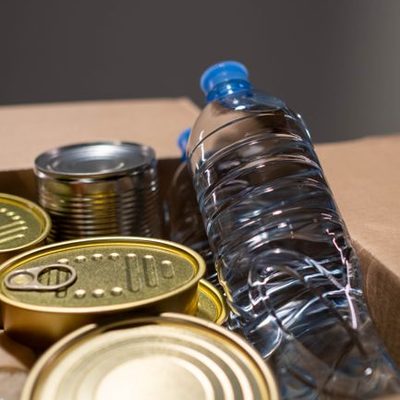
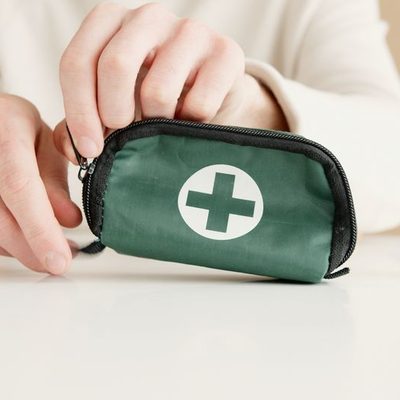
Build a nuclear survival kit. Radiological emergencies, particularly large-scale events, can require sheltering or disrupted routines for an extended period. A well-stocked supply of water (1 gallon per person per day), non-perishable food, first aid supplies, and any necessary medications gives your household a real cushion if normal routines are disrupted for days or longer. Many preparedness guidelines for large-scale nuclear or war-related scenarios recommend working toward as much as a 3-month supply, well beyond the 3-day or 2-week FEMA targets used for more common disasters.
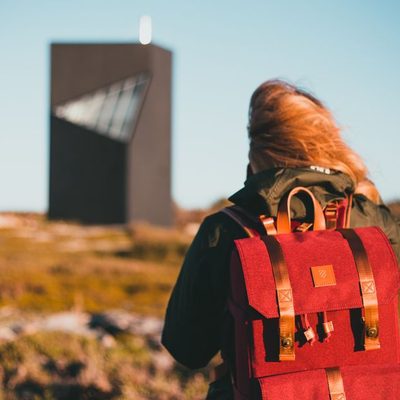
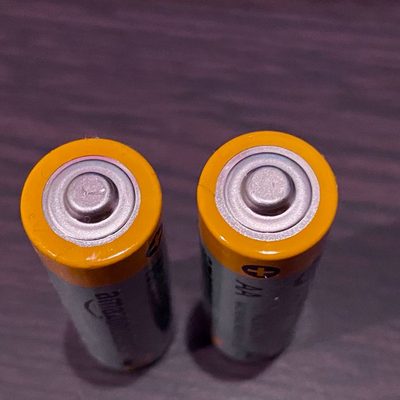
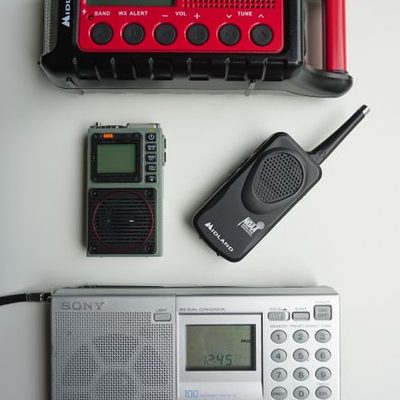
Keep a NOAA weather radio and a go-bag ready. A battery-powered or hand-crank radio ensures you can still receive instructions if power or cell service is disrupted. A go-bag with essential documents, medications, and basic supplies means you're ready to move quickly if evacuation becomes necessary rather than sheltering in place.
Know your community's alert system. Communities near nuclear power plants have a prompt Alert and Notification System designed to reach the public within that 10-mile radius, typically activated within about 15 minutes of a decision to take protective action. These systems commonly use sirens, tone-alert radios, or door-to-door route alerting, sometimes in combination. If you hear an alert, tune your radio or television to the Emergency Alert System (EAS) station listed in your community's emergency materials for further instructions.
Learn about potassium iodide (KI): What It Does and When to Take It
Potassium iodide, or KI, is a stable form of iodine that protects the thyroid gland during a nuclear emergency. Potassium iodide tablets, also called radiation pills or anti-radiation pills, work by saturating the thyroid gland with stable iodine, which prevents it from absorbing radioactive iodine. It's important to understand that KI only protects the thyroid — it does not protect against other forms of radiation exposure, and it should only be taken when directed by public health officials, not preemptively or on your own judgment. KI can be obtained through some states or local emergency management organizations, or purchased at many local pharmacies.
Do You Need a Fallout Shelter?
If you've searched for a nuclear bomb shelter or nuclear fallout shelter near you, here's the reassuring answer: you almost certainly don't need to find one. The U.S. no longer maintains a public fallout shelter network like it did decades ago. Modern guidance has shifted instead to sheltering where you already are — in a basement or interior room of a sturdy building — which is exactly why the "get inside" steps matter so much. You don't need a dedicated bunker; you need walls, distance from the outside, and enough supplies to stay put for at least 24 hours.
What to Do During a Nuclear Emergency
When it comes to protecting yourself from radiation, the core response comes down to three steps, regardless of the specific cause.
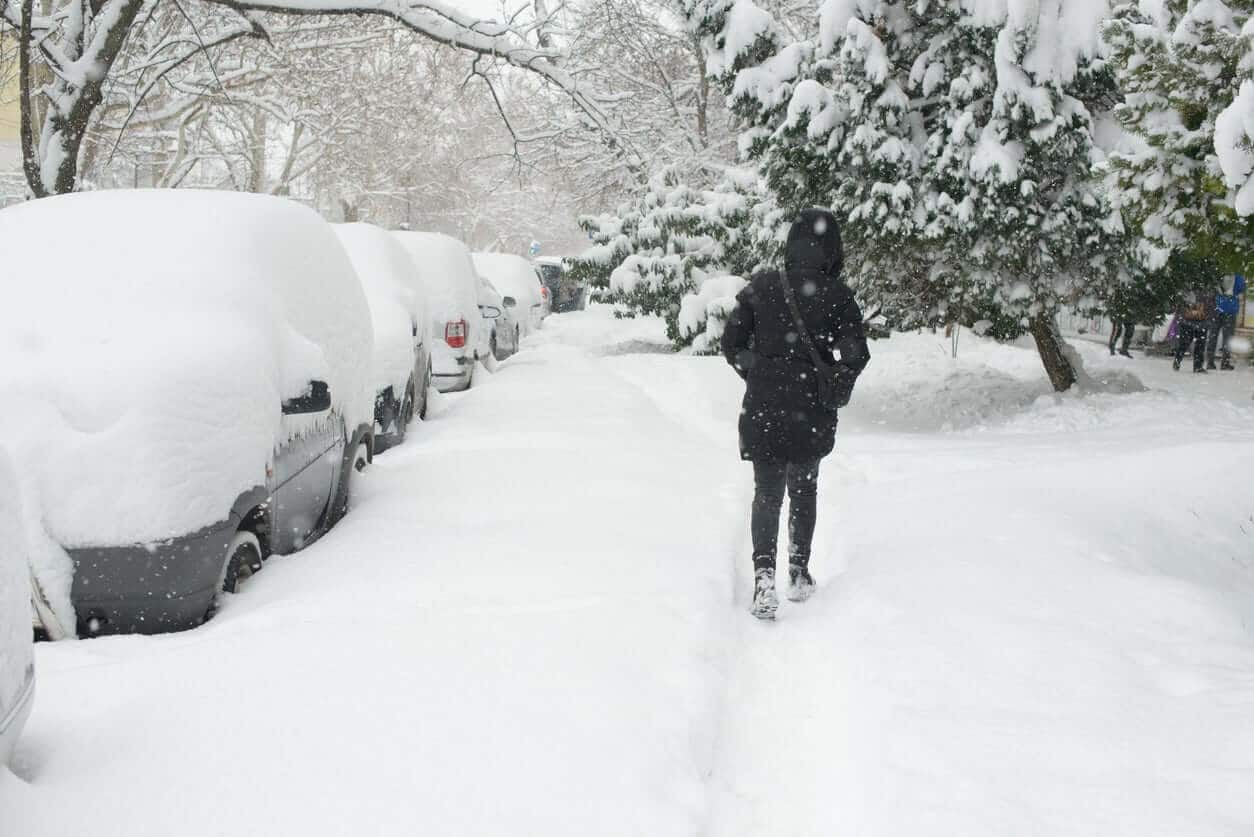
Get inside. Move into a sturdy building, ideally into a basement or an interior room with no windows. The more walls and dense material between you and the outside, the more protection you have, since materials like concrete, brick, and earth block far more radiation than a typical wood-frame structure.
If it's safe to do so and you are able, bring pets inside with you. Animals can also become contaminated by radioactive particles, so keeping them sheltered helps protect both them and your household.
Stay inside. Plan to remain sheltered for at least 24 hours unless officials tell you otherwise, since radioactive material naturally weakens over time. While inside, remove your outer layer of clothing, gently wash any exposed skin with water, and change into clean clothes to help remove radioactive material that may have settled on you. Stick to sealed, packaged food and drinks, washing the outside of containers before opening them, in case radioactive material has settled on the packaging itself.
Stay tuned. Keep a radio, television, or official accounts for updates, since officials will share new information and instructions as they learn more about the situation. Don't leave your shelter location until directed to do so by police, fire officials, or another government authority.
These three steps are what most improve your chances in any nuclear emergency, including a nuclear attack. But if the event involves a nuclear explosion specifically, distance and shielding matter enormously. Being farther from the point of detonation and having dense material between yourself and the blast both significantly reduce exposure, and getting indoors immediately, even if you're several miles away, remains the single most important action you can take.
What Is Nuclear Fallout and How Long Does It Last?
Fallout is the radioactive dust and debris that settles after a nuclear event, and it's most dangerous in the first day or two, when radiation levels are at their highest. From there, it weakens quickly — this is why the 24-hour sheltering guidance above matters so much. Staying inside during that initial window, rather than stepping out too soon, is what allows the bulk of that decay to happen while you're already protected. Radiation levels continue to drop after the first 24 hours, but officials will confirm when it's actually safe to leave, since the exact timeline depends on the specific event.
What to Expect After a Radiological Emergency
Once officials determine it's safe, they'll communicate updated guidance on when and how it's appropriate to leave shelter, whether evacuation is necessary, and what additional precautions, like taking KI or avoiding certain food and water sources, may be needed. Recovery from a radiological emergency can take time, and official guidance may continue to evolve as more information becomes available about the affected area. Continuing to monitor official channels, rather than relying on rumors or informal information, remains important well after the initial event has passed.
Agencies That Help During a Radiological Emergency
Several agencies work together before, during, and after a radiological emergency. The Nuclear Regulatory Commission (NRC) oversees the safety of nuclear power plants and coordinates public information materials for nearby communities. The Federal Emergency Management Agency (FEMA) provides broader emergency management guidance and coordinates response resources. The Environmental Protection Agency (EPA) monitors environmental radiation levels and provides public health guidance related to radiation exposure. Local and state emergency management agencies are typically your most immediate point of contact, since they coordinate alerts, shelter guidance, and any necessary evacuation for your specific area.
Where to Learn More
For more detailed guidance, FEMA's ready.gov/radiation page covers sheltering guidance for nuclear, biological, and chemical events, and ready.gov/nuclear-explosion covers preparedness specific to nuclear detonations. The NRC's website includes additional detail on obtaining potassium iodide and understanding the response to dirty bombs, and the EPA's radiation preparedness resources cover the broader public health side of radiological emergencies. Reviewing these resources ahead of time, rather than during an actual emergency, is one of the simplest ways to make sure you and your household know exactly what to do if the moment ever comes.
Additionally, visit our Nuclear & Radiological FAQs page for answers to common nuclear and radiological-related questions.