












Planning Guide FAQs
Find answers to the most common questions about building an emergency plan, understanding how emergency management works, and choosing the right kit — because knowing the basics puts you ahead when it matters most.
Popular questions
How do I prepare for an emergency?
Create an emergency plan. Build a 72-hour emergency kit with water, food, first aid, shelter, lighting, and communication supplies. Make an emergency plan with meeting points and out-of-area contacts. Know your regional hazards (e.g. earthquake, hurricane, wildfire) and prepare accordingly. Review annually.
What is an emergency preparedness plan?
An emergency preparedness plan is a written document that describes how your household or organization will respond to likely disasters. It covers communication, evacuation routes, meeting points, emergency contacts, shelter-in-place procedures, and supply locations. FEMA provides templates at ready.gov.
What is emergency management?
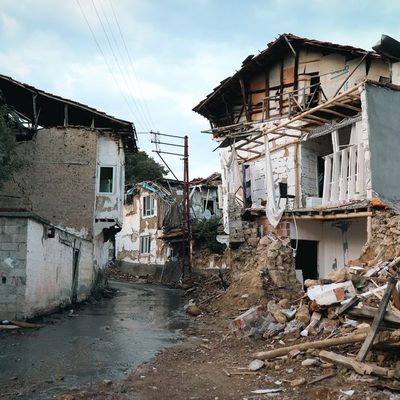
Emergency management is the organized approach to preventing, preparing for, responding to, and recovering from disasters. It spans federal agencies (FEMA), state and local governments, and individual households. The four phases are mitigation, preparedness, response, and recovery.
What does emergency management do?
Emergency management coordinates preparation, response, and recovery across disasters. At the federal level, FEMA leads; at state and local levels, emergency management agencies coordinate with first responders, public works, and nonprofits. Individual preparedness is a key complement.
What is in an emergency preparedness kit?
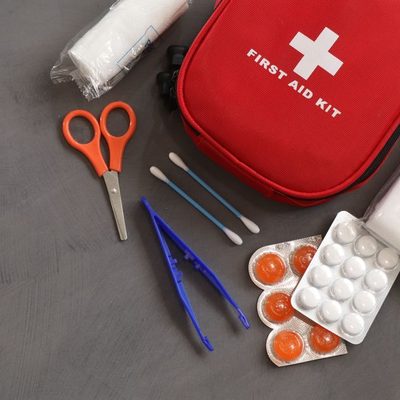
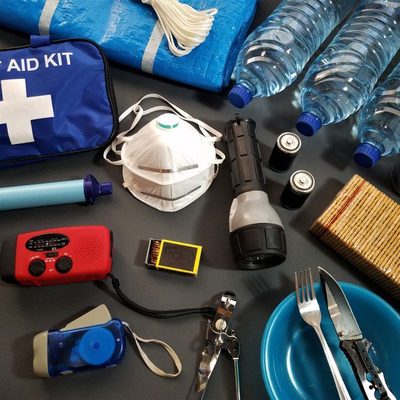
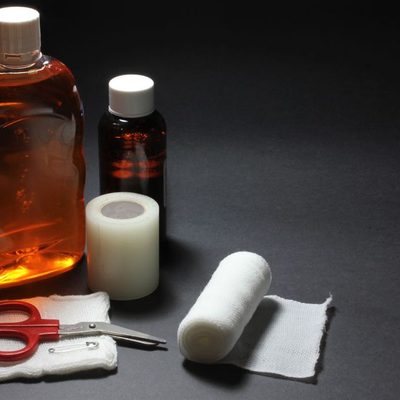
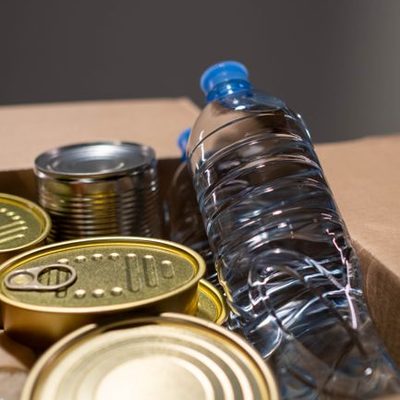
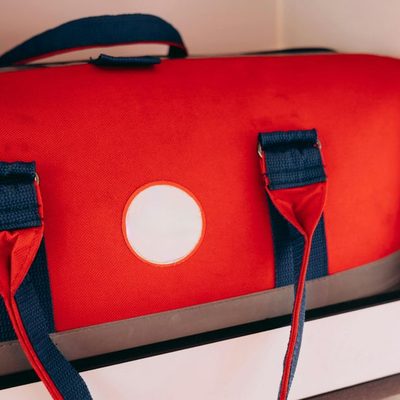
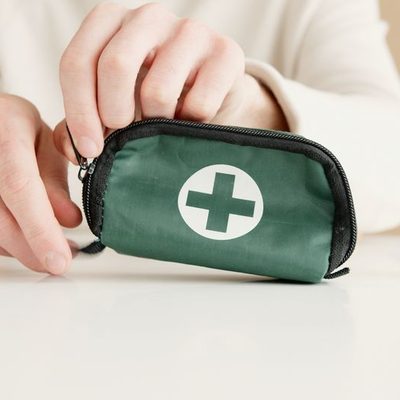
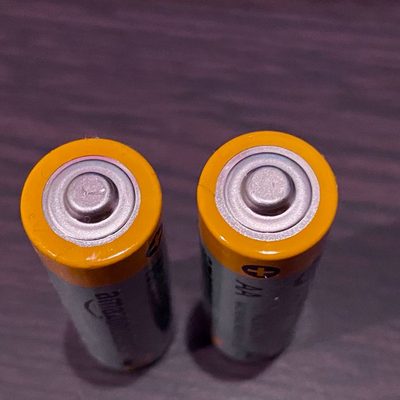
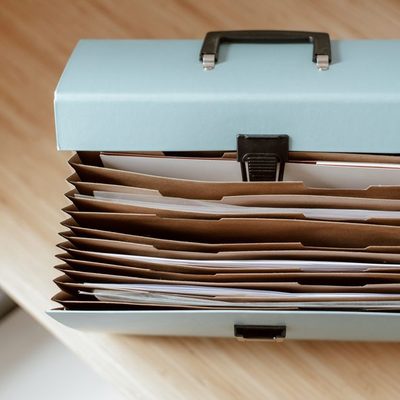
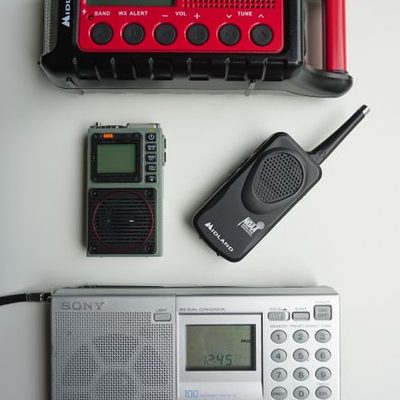
Ready.gov recommends water (1 gallon per person per day), 3 days of non-perishable food, NOAA weather radio, flashlight, first aid kit, extra batteries, whistle, dust masks, emergency blankets, sanitation supplies, local maps, cash, medications, and copies of personal documents.
How do I choose an emergency kit?
Choose based on household size, duration needed (72-hour, 14-day, 30-day), and primary scenarios (home shelter, evacuation, workplace). Pre-made kits are typically 20 to 40 percent cheaper than assembling equivalent components individually.
How much does an emergency kit cost?
Entry-level 72-hour kits start at $30 to $50. Quality 4-person kits run $150 to $300. Workplace-compliant ANSI Class B first aid kits run $75 to $200. Custom and long-term (14-day, 30-day) kits range from $300 to $1,000+.
What are the 4 phases of emergency management?
Mitigation (prevent/reduce impact), Preparedness (build kits, plans, skills), Response (act during the event), Recovery (restore normal operations). FEMA structures all emergency management training and funding around these four phases.
Do I need to evacuate if there is an emergency?
Yes if authorities order evacuation for your zone, if your home is threatened by fire, flood, or structural damage, or if you have medical or mobility needs that cannot be met by sheltering in place. Early evacuation beats late evacuation.