



































ABOUT PANDEMICS
Pandemics (sometimes referred to as global outbreaks, epidemics, or infectious disease crises) occur when a new or existing pathogen — such as a virus, bacterium, or other microorganism — spreads rapidly across multiple countries or continents, affecting large numbers of people. Unlike localized outbreaks or regional epidemics, a pandemic is distinguished by its geographic reach and the scale of its impact on human populations worldwide.
The severity of a pandemic is influenced by several key factors, including how easily the pathogen spreads from person to person (its transmissibility), how dangerous the disease is to those infected (its virulence), and the degree to which the general population has prior immunity. Diseases spread through the air or through respiratory droplets, like influenza, tend to spread more rapidly than those requiring direct contact with bodily fluids.
Pandemics have occurred throughout human history with varying degrees of severity. The 1918 influenza pandemic, often called the Spanish Flu, is considered one of the deadliest in recorded history, killing an estimated 50 to 100 million people worldwide. More recently, the COVID-19 pandemic, caused by the SARS-CoV-2 virus, resulted in millions of deaths globally and demonstrated how quickly a novel pathogen can circle the globe in the modern era of international travel and commerce.
Public health agencies like the World Health Organization (WHO) monitor disease outbreaks around the world and play a central role in coordinating international responses to emerging threats. When a new pathogen is identified, epidemiologists work to understand its transmission patterns, incubation period, and mortality rate. This data informs critical decisions about containment measures, such as quarantine protocols, travel restrictions, and vaccination campaigns.
While pandemics cannot always be predicted, surveillance systems and advances in medical science have significantly improved humanity's ability to respond. Vaccines remain the most powerful tool for ending a pandemic, as they build population-wide immunity and reduce severe illness and death. In addition to vaccines, public health measures such as social distancing, mask-wearing, and improved hygiene have proven effective at slowing transmission and buying time for medical countermeasures to be developed and deployed.
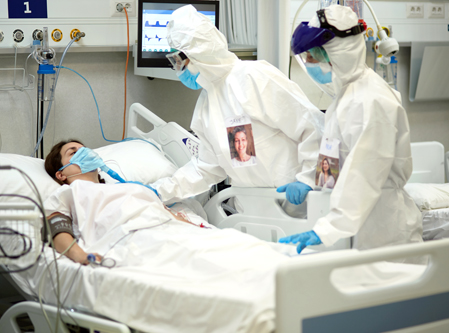
Beyond direct health impacts, pandemics can cause profound disruption to economies, healthcare systems, and daily life. Supply chains are strained, businesses close, schools shift to remote learning, and healthcare workers face overwhelming demand. Mental health challenges also rise sharply during prolonged outbreaks, as isolation, grief, and economic hardship take a significant toll on communities. The effects of a major pandemic can linger for years, reshaping public health policy, government preparedness strategies, and social behavior long after the immediate crisis has passed.
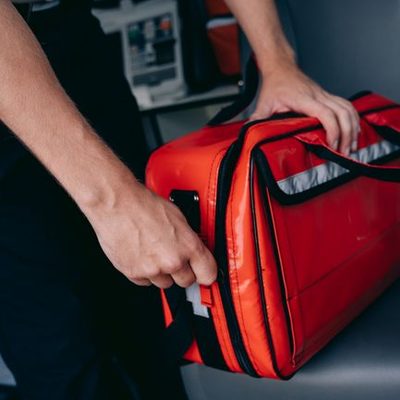
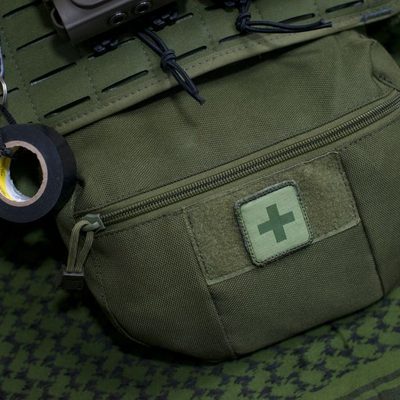
GET A PANDEMIC KIT (PERSONAL PROTECTION EQUIPMENT KIT)
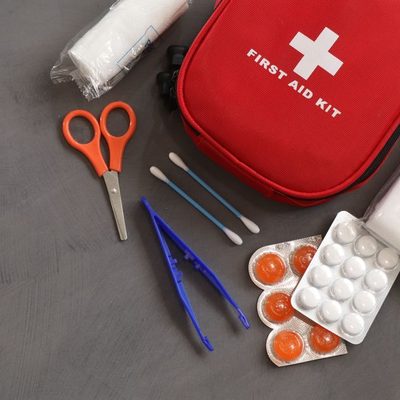
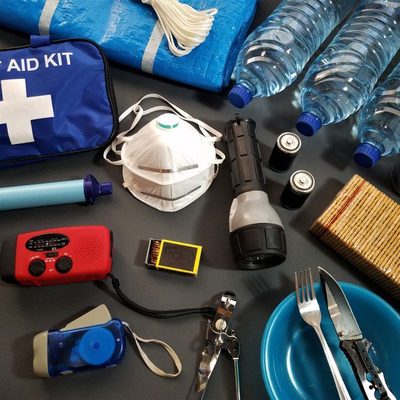
Getting an Emergency Preparedness Kit for your home, office (or school), and car(s) is an essential first step in being prepared for a pandemic. Emergency Preparedness Kits from EmergencyKits.com provide you and your family with the emergency supplies your family needs to last for 3 days (72 hours). Deluxe Kits are compliant with FEMA's guidelines and include important items like: emergency food and drinking water, flashlights, radios, first-aid supplies, sanitation supplies, emergency blankets, waterproof ponchos, and much more.
For additional help on selecting the right kit, visit Step 1 - Get A Kit of our Emergency Preparedness Planning Guide.